
A Meaningful Middle School
Raising the Bar of Success
What is the goal of Middle School?
Middle school is one of the most electric thresholds a young person will ever cross: between childhood and adolescence, dependence and autonomy, certainty and questioning. As educators, our job is bigger than academics—we meet these students with reverence for their development, warmth in our relationships, and recognition of their growing autonomy and agency.
How do we get there?
We’re building a vibrant hub of innovation and learning that not only sharpens their intellect and nurtures their emotional life, it also promotes their self-advocacy and sense of belonging and teaches them how to have hard conversations about themselves and the world, preparing them for life.
Advisory Period
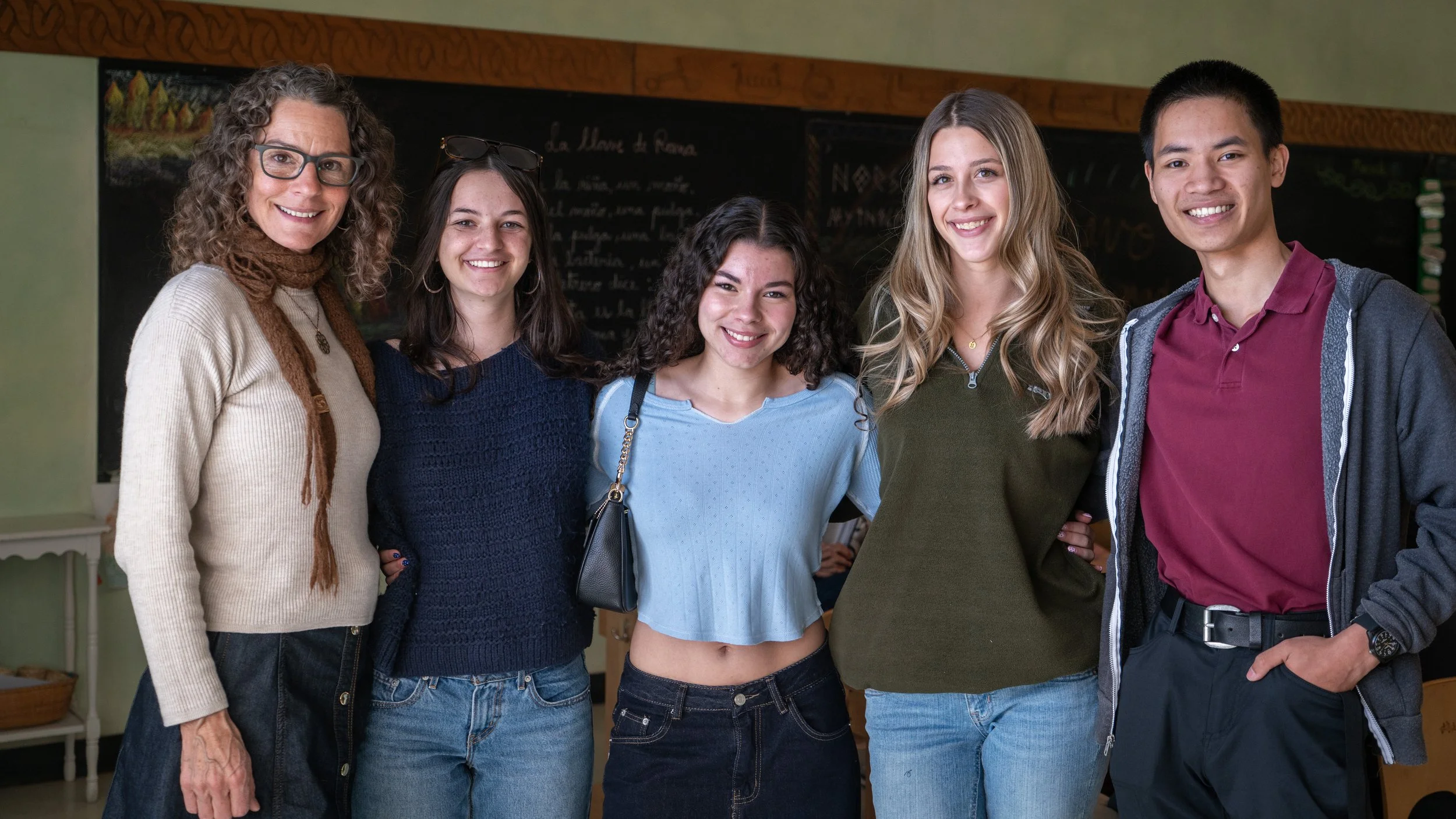
The MWS Advisory Program is built around four essential pillars: Responsibility, Compassion, Stewardship and Growth. We address two pillars per semester. Students meet together each morning in mixed 6th-8th grade groups, with their two faculty advisors, and explore how to define these values and put them into action for themselves, their immediate community and broader society. They will learn from one another, address these values in current events and forge new relationships of trust and respect.
Mentoring
Each Middle School student will have a faculty or staff mentor who will meet with them at least three times per year to help with goal setting. These mentors will also be a resource for students when questions arise in the social and emotional realms. Parents will be informed of the assignment and can also communicate with the mentor as part of the Wayfinding program support for these adolescents.
Wayfinding at Marin Waldorf Middle School
Middle Schoolers are wayfinders, building their own internal maps (of identity, relationships, and purpose) often without clear signage. Our cohesive Wayfinding program gives them the landmarks (trusted adult mentors), the paths (structured routines and skills), and the compass (self-awareness and reflection) they need to navigate this stage of life with resilience and direction.
Electives
Friday afternoon double periods will be a special time for Middle School students to engage in activities that they have chosen within three categories: Performing Arts, Movements/Sports, and Student Leadership. Each student can take two electives per year. The students will be presented with these new options and given time to make their choices during their “electives orientation.”
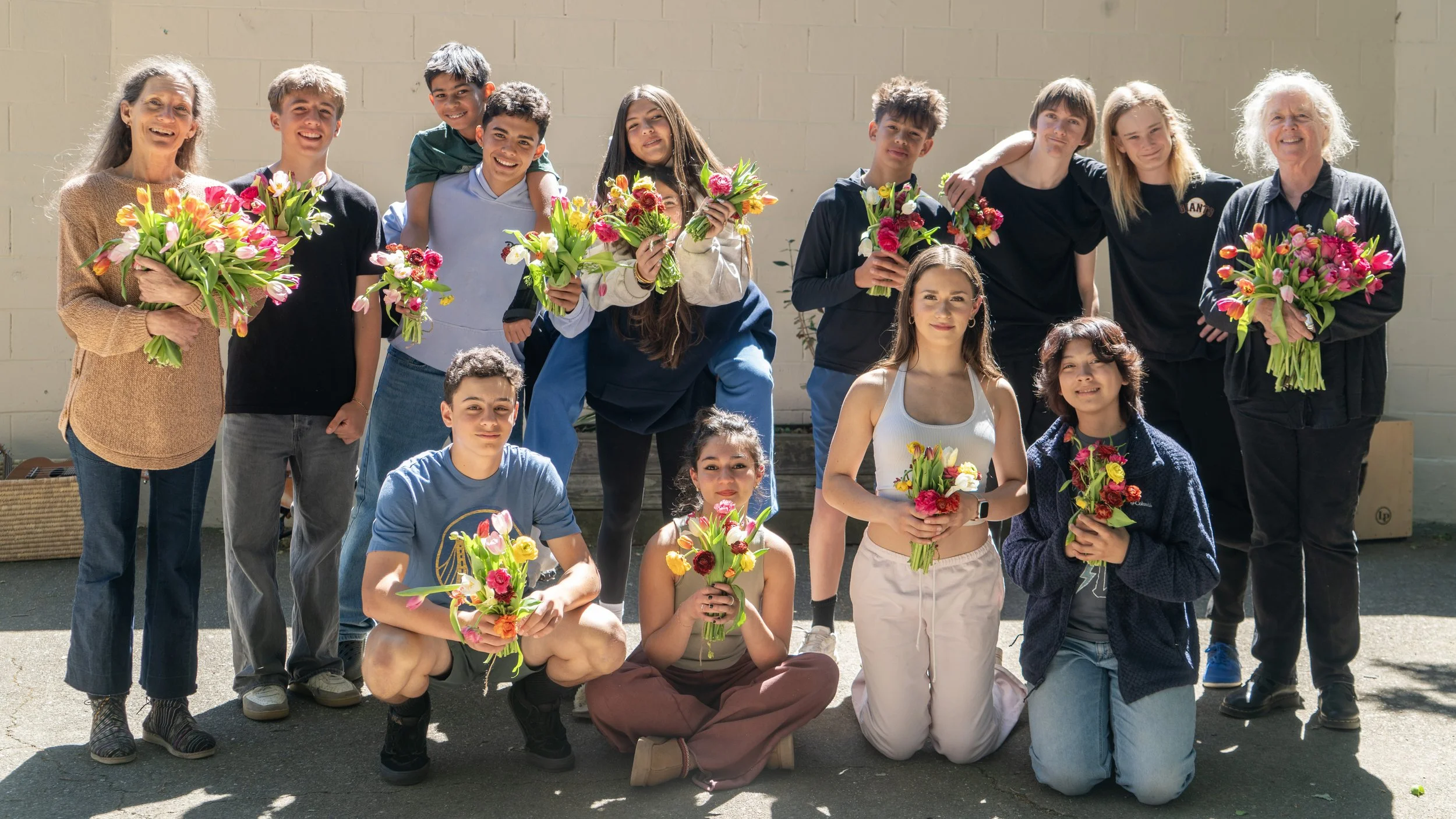
Social Hub
The MWS Middle School students have been given their own space to decorate and use during recess and other assigned periods–they are invited to design, enjoy and maintain this special spot. We are all excited to see what they come up with!
Where Measurable Growth Happens
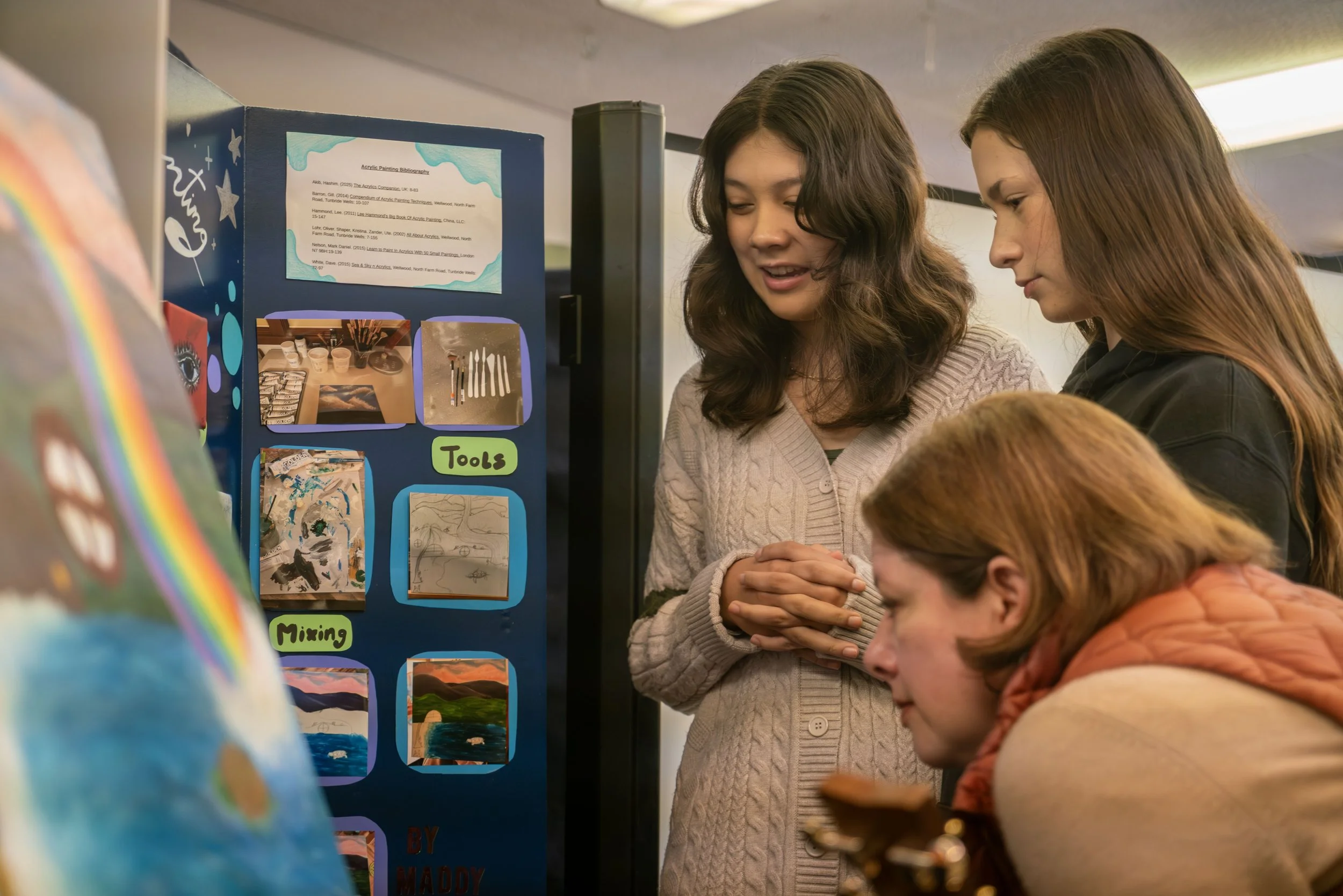
8th Grade Capstone Project
By 8th grade MWS students are capable of choosing a long-term, individual research and learning project, where they are responsible for finding a mentor, leading their own learning and presenting their work to the school community. This means they have cultivated their time and resource-management, internal motivation, task initiation, self-knowledge, project-planning, building, research and writing skills, and self-advocacy deeply enough to be accountable for their own learning. What they achieve will impress you!
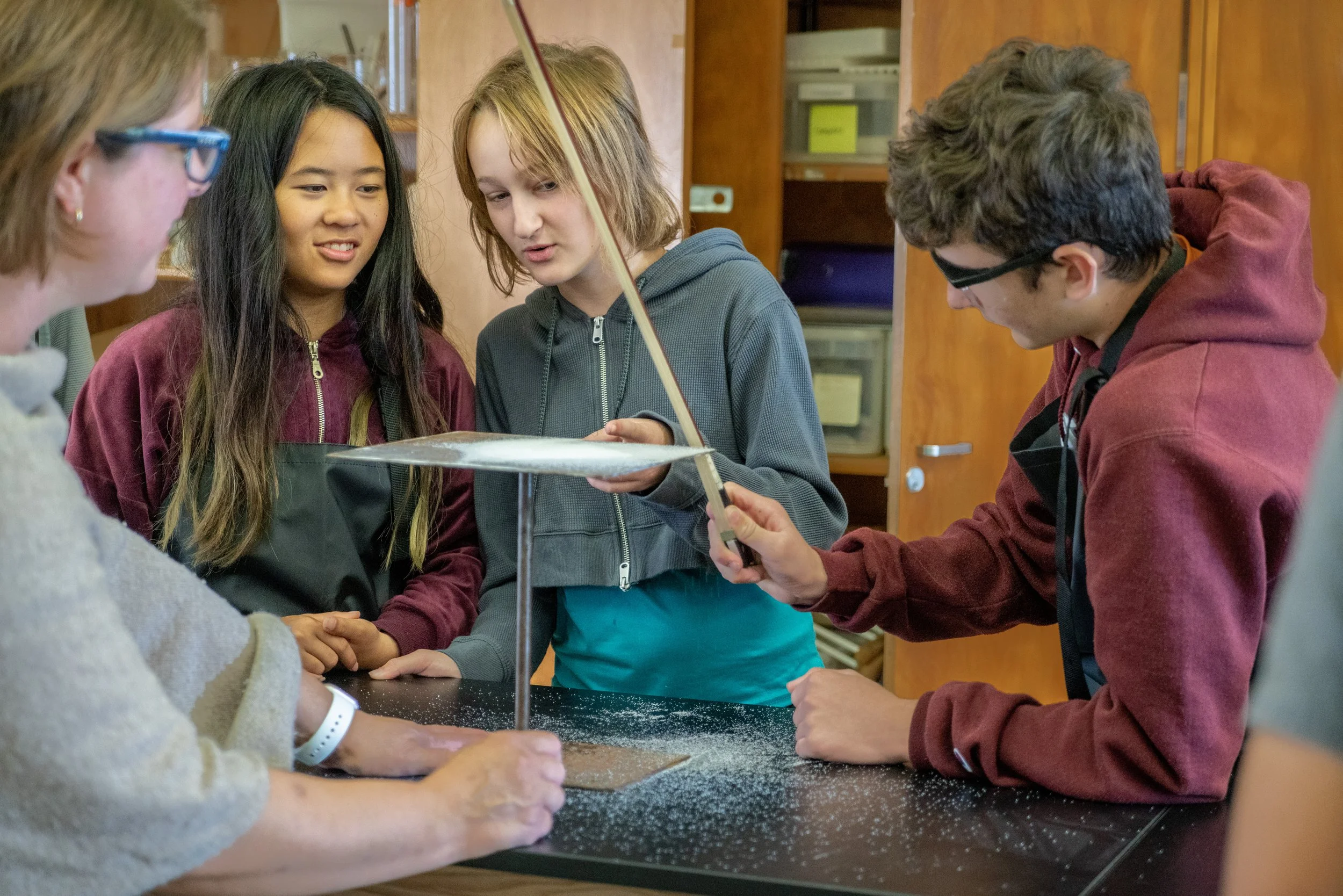
Full STEAM Ahead
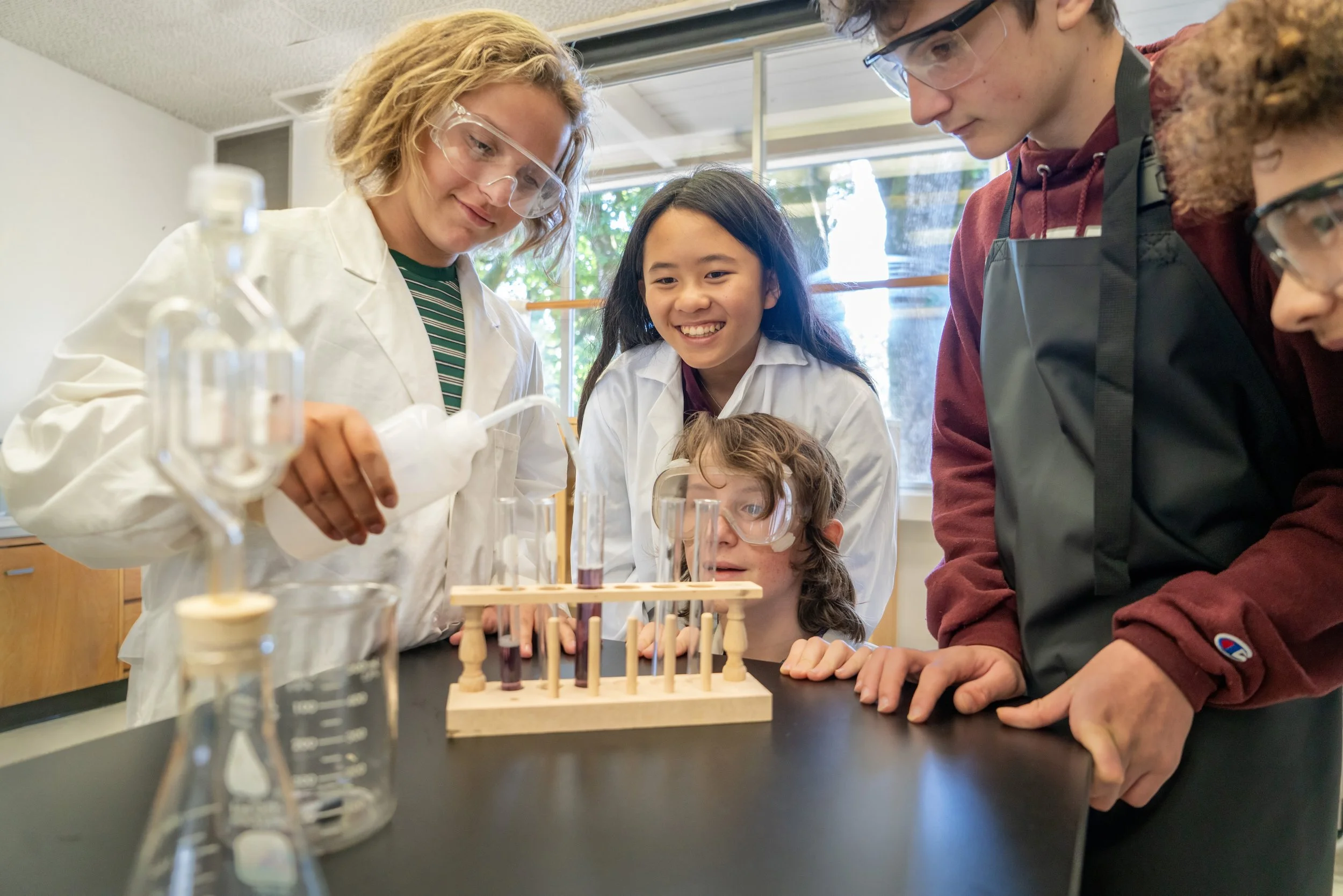
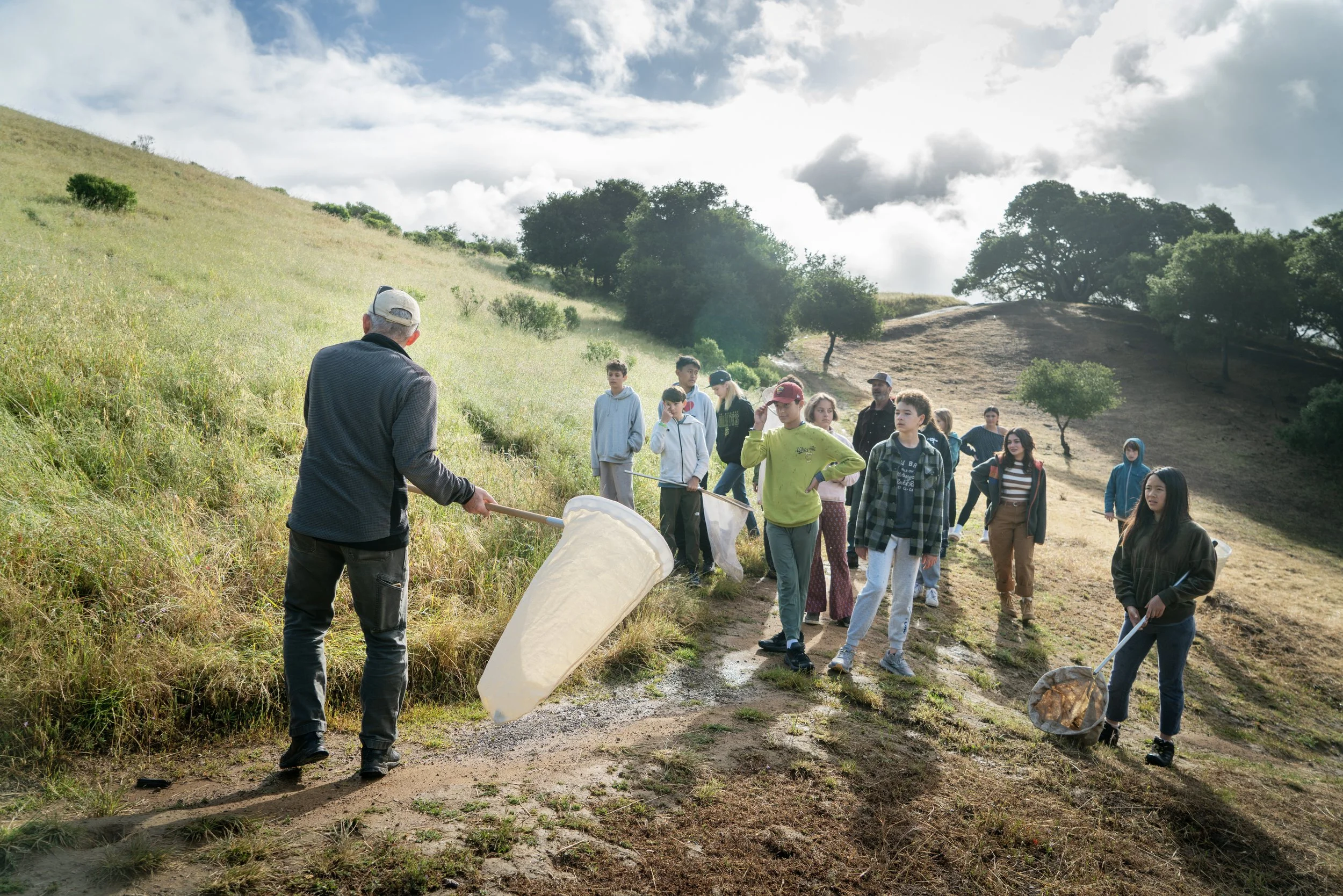
The Middle School students dive deep into chemistry, physics, earth science, and biology. We teach each step of the scientific method, starting with observation, moving through questioning, researching, experimenting, testing hypotheses, drawing conclusions, and reporting.
Math gets more rigorous right alongside science. Our program helps students see math as a living, dynamic part of the world—exploring big ideas, patterns, and the relationships between concepts. (Read more about our math program here.)
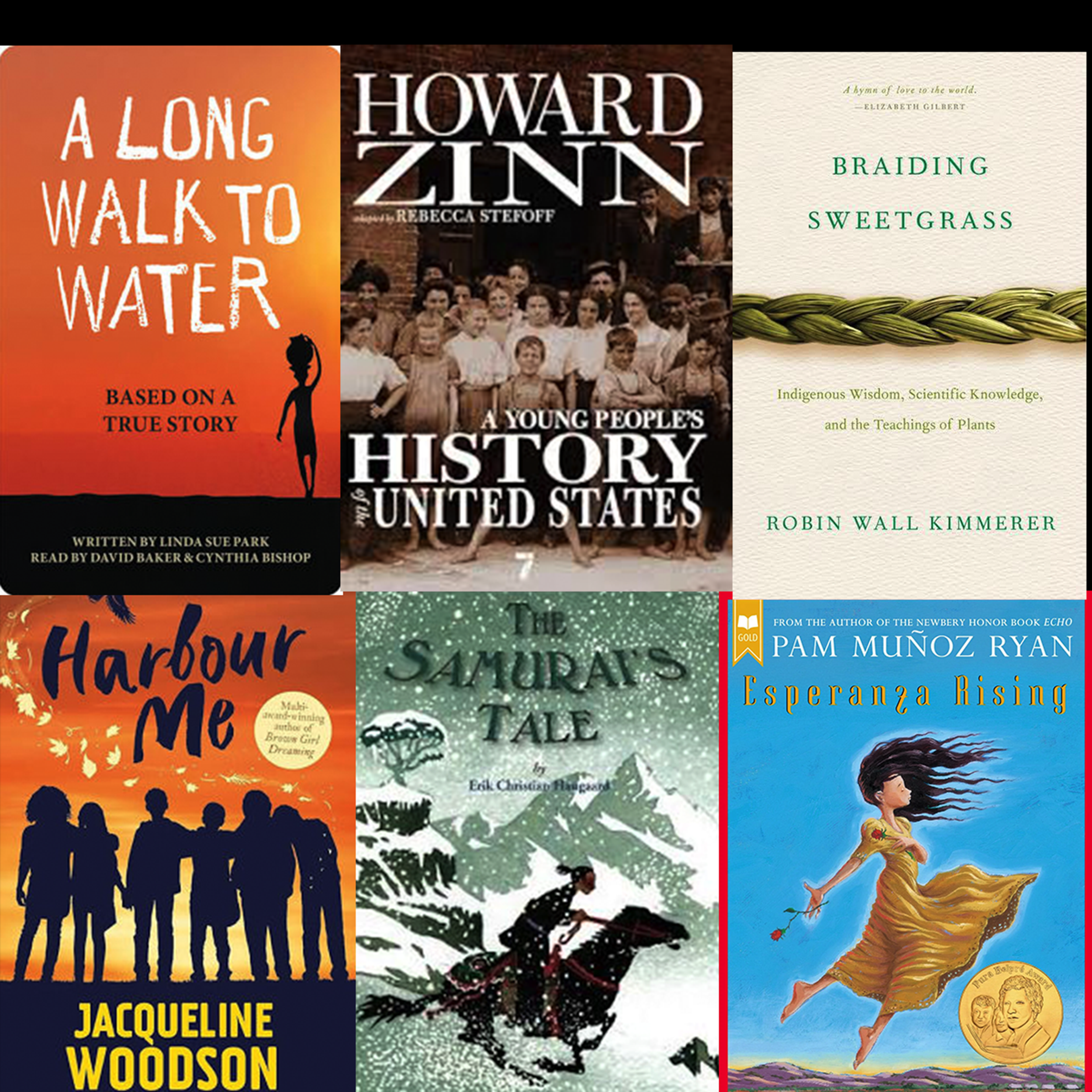
Language Arts
Language arts is a cornerstone of our program, woven into every main lesson block. Students sharpen increasingly sophisticated writing skills through focused practice in composition and research — defining central themes, refining ideas and arguments, and strengthening grammar, spelling, and editing through peer and self-editing.
Every year, students devour a wide range of full-length books, building vocabulary, empathy, and critical thinking through free-choice reading, book reports, and class readers.
New Skills, New Horizons
Beyond the core curriculum, middle schoolers step into brand-new territory:
Civic Action:
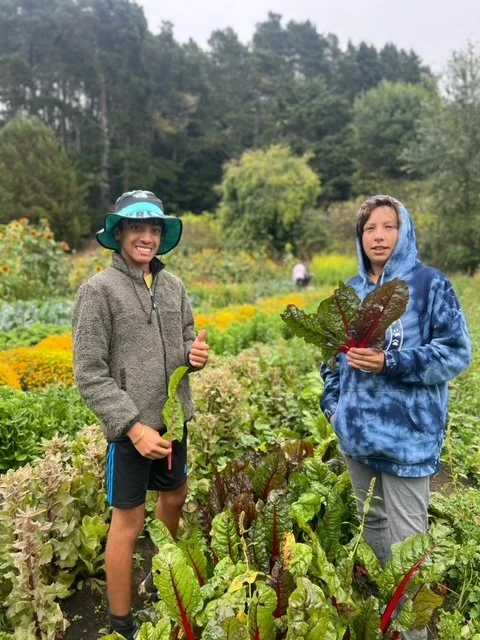
A required, meaningful part of the curriculum. Students volunteer at school and in the community, including at our summer camp and aftercare programs, gaining hands-on experience with childcare, group dynamics, and team management.
Outdoor Education:
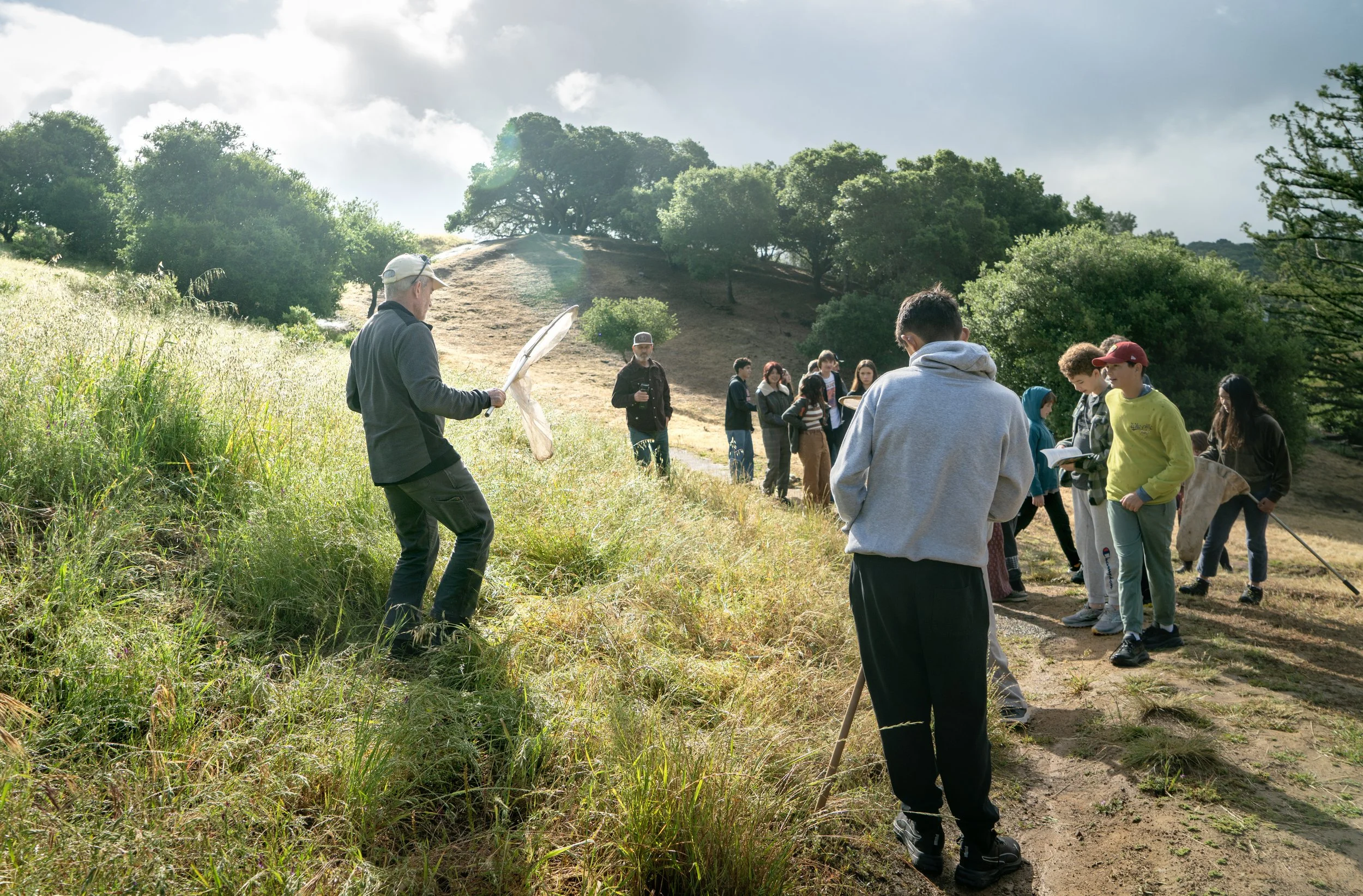
Grades 6, 7, and 8 head out regularly — rafting and hiking to study nature. Each grade has at least one 5-day capstone trip where they live our curriculum as they learn it and strengthen their social bonds while developing essential outdoor skills like: cooking, cleaning, campsite set up and maintenance, risk assessment and wilderness hygiene.
Social Ethics:
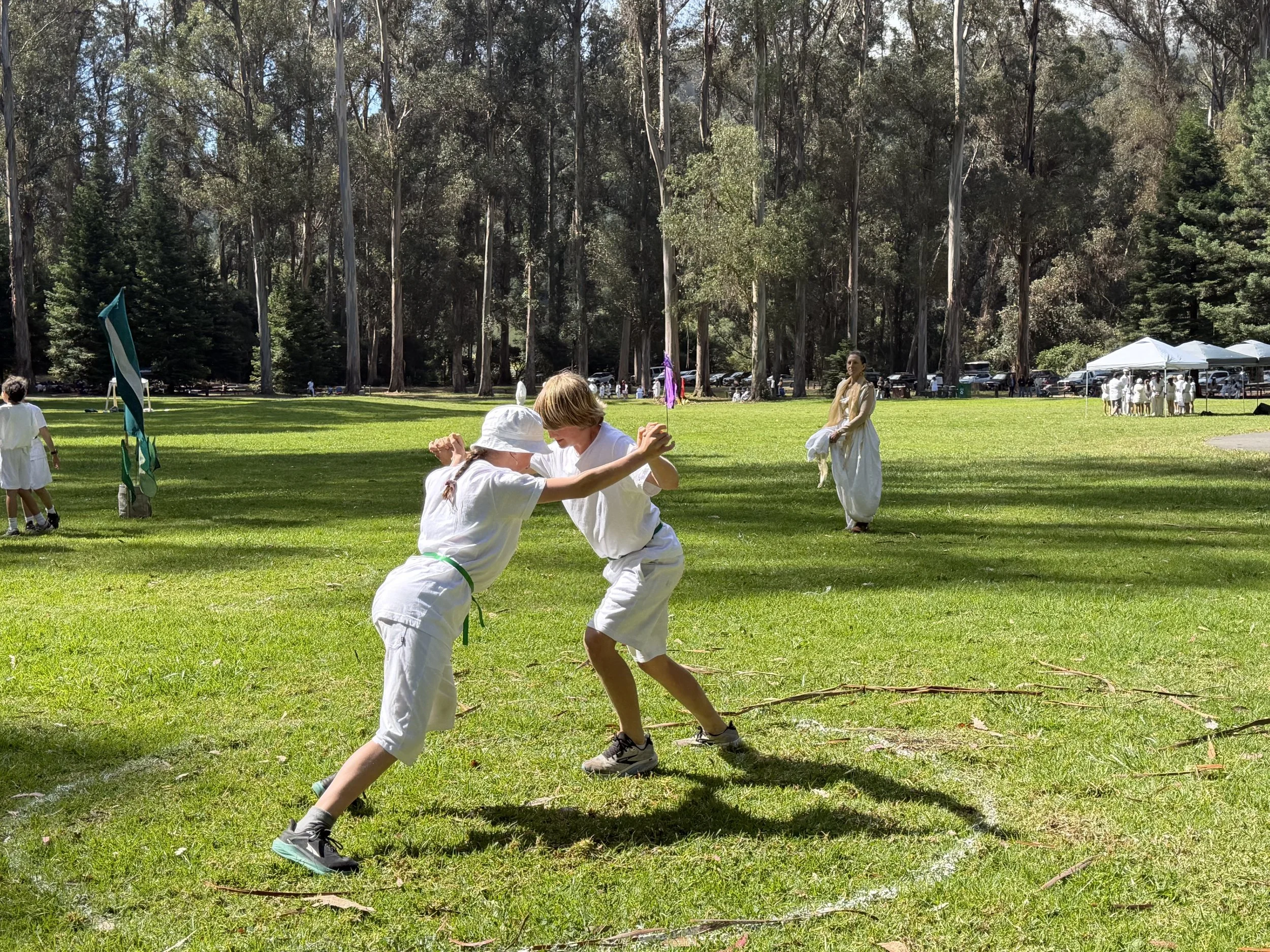
A discussion-based class tackling the big topics: racism, anti-bias education, personal health, sexual literacy, and ethics. Paired with our Cyber Civics curriculum — covering digital citizenship, healthy media habits, online safety, and privacy — these classes equip students to navigate the social and digital sides of adolescence with awareness and respect.
Technology & Digital Literacy:
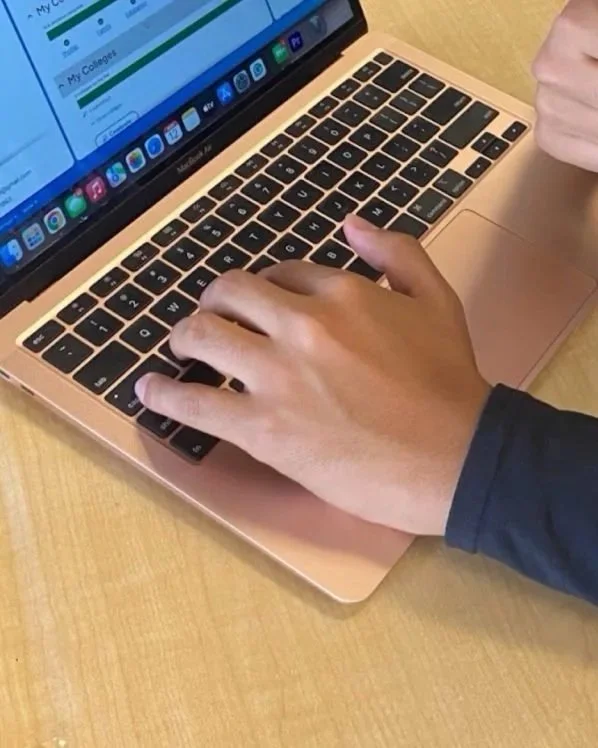
Students build computer proficiency and get explicit instruction in online research for 7th and 8th grade projects, with real emphasis on evaluating sources critically and using technology responsibly.
Afterschool Activities
-
![]()
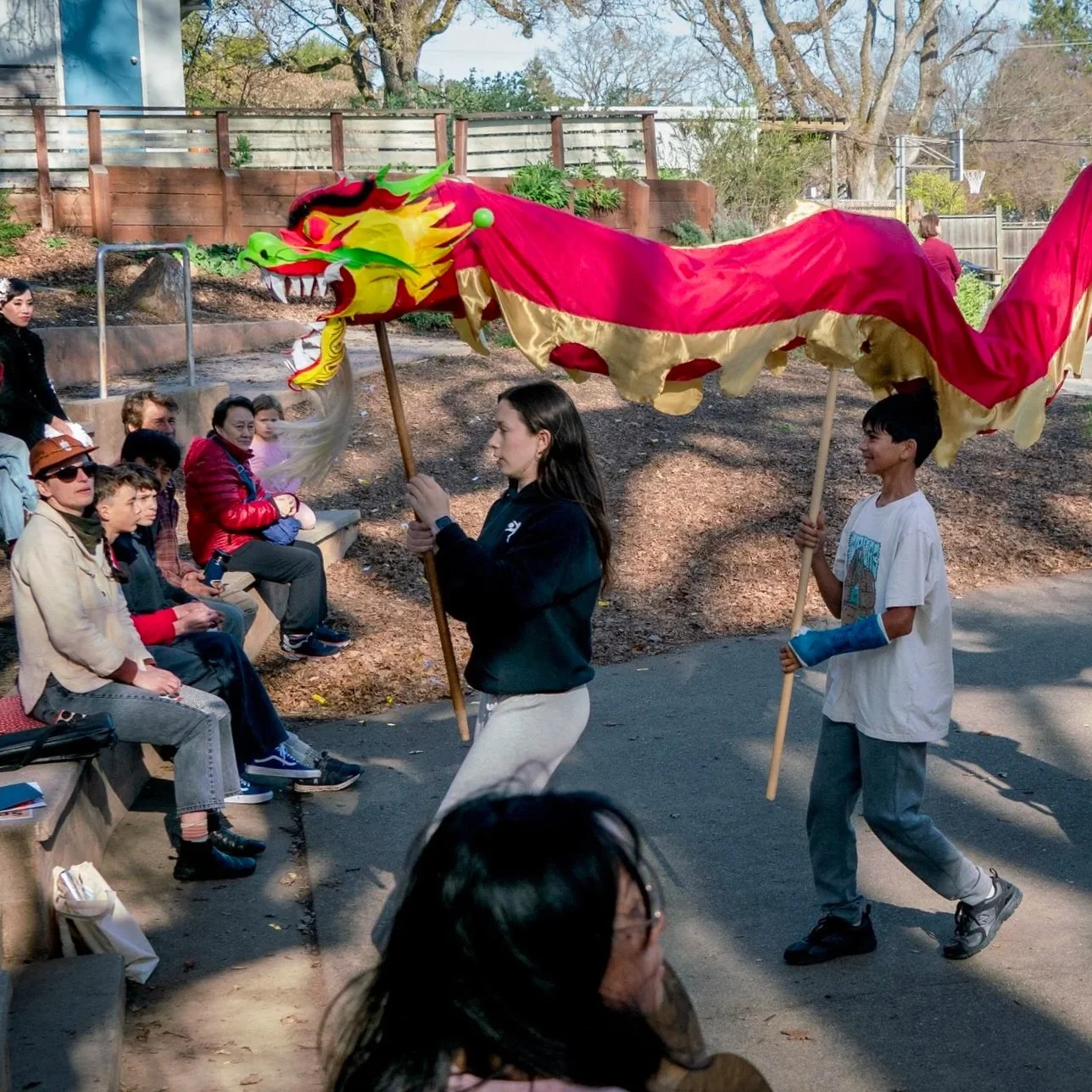
Mandarin Club with Liu Lăoshī
Liu Lăoshī incorporate Mandarin into everyday scenarios such as dining, shopping, and simple conversations so students can practice listening and speaking skills in real-life contexts. They explore proper stroke order and character structure, as well as introduce Chinese culture, festivals, and customs.
-
![]()
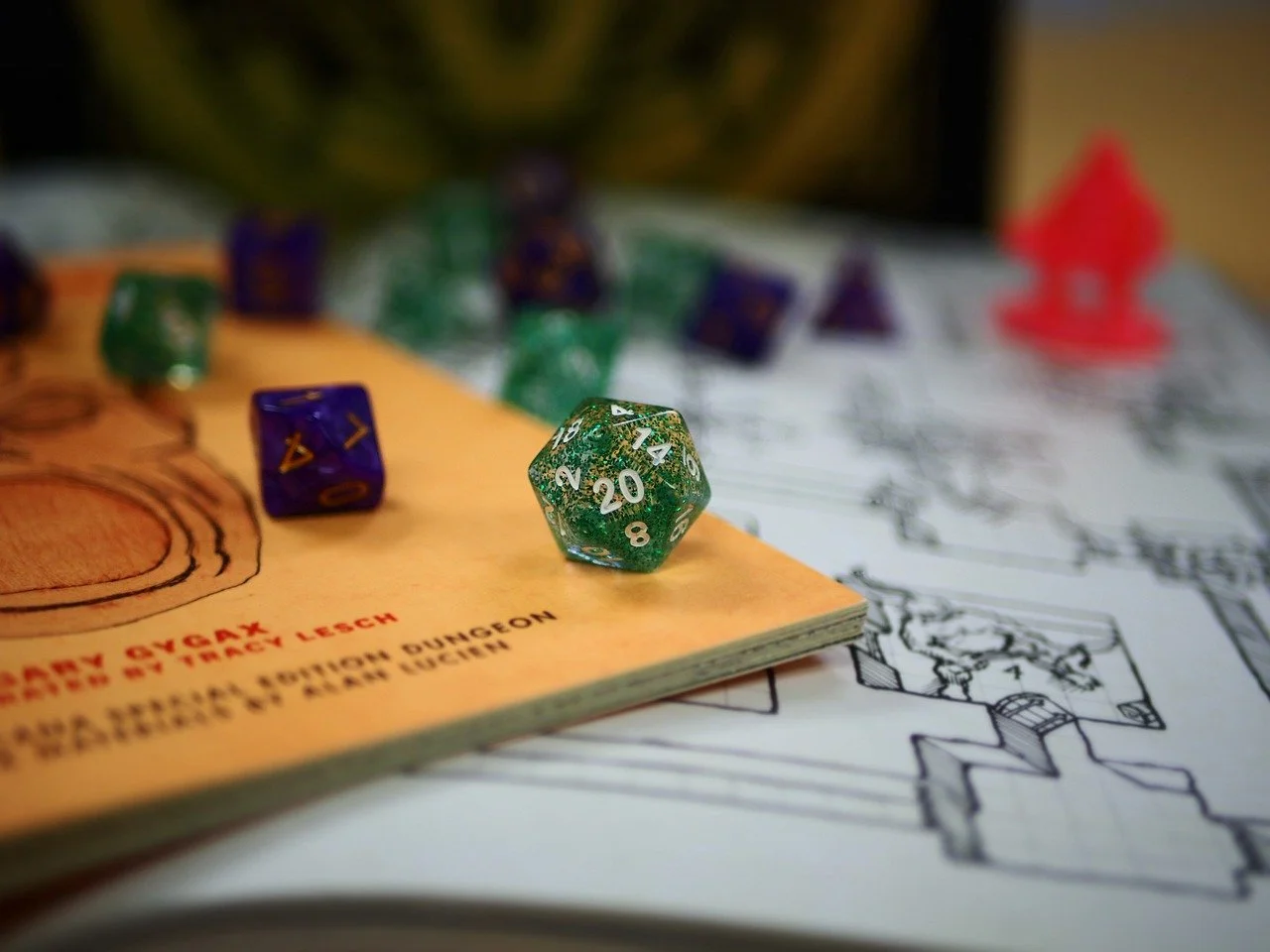
Dungeons & Dragons with Mr. Rod
The old-school version of D&D returns, filled with adventure, strategy, math, and problem-solving. Students work together to build characters, navigate challenges, and make creative decisions in a classic tabletop role-playing experience. No prior D&D experience is necessary!
-
![]()
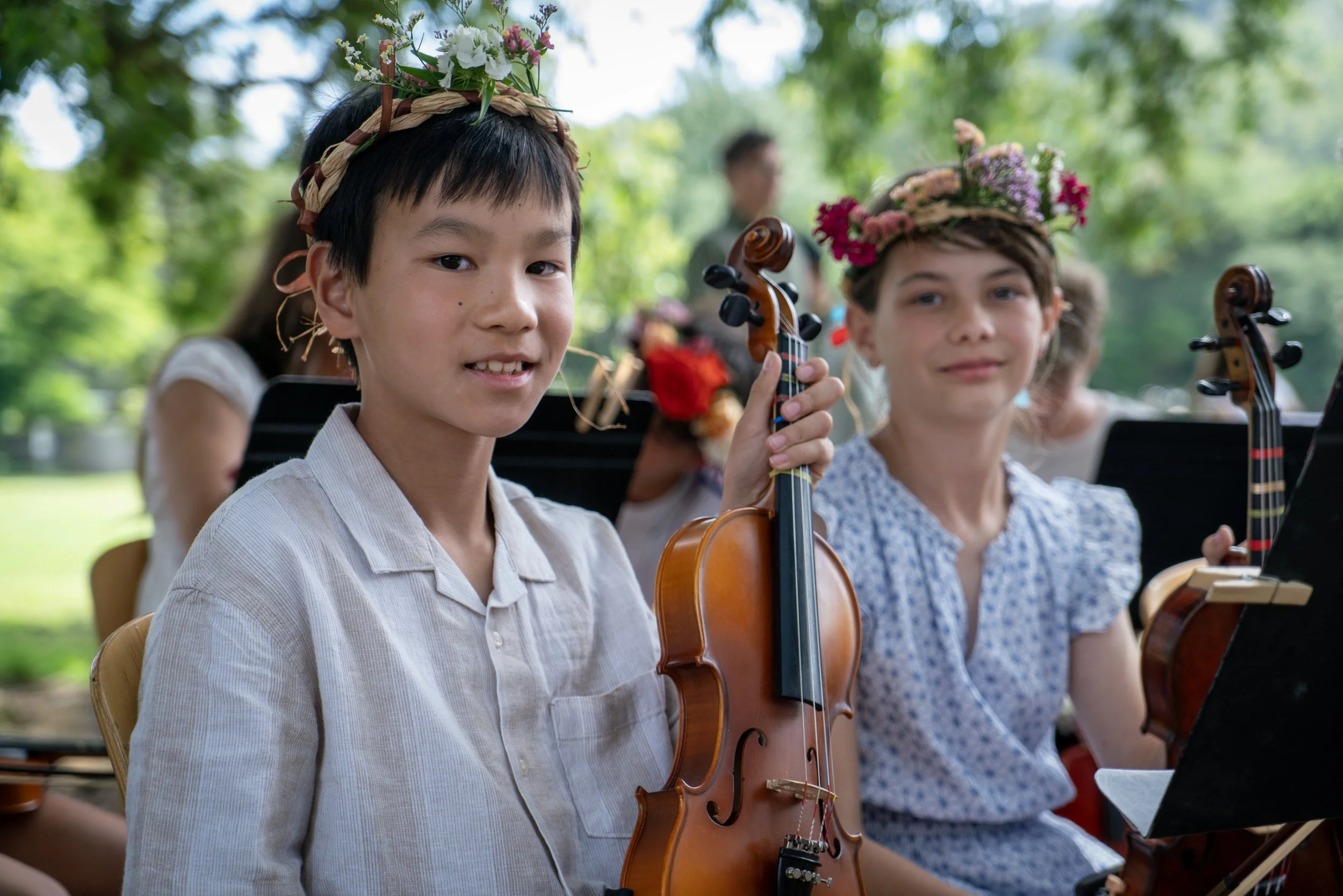
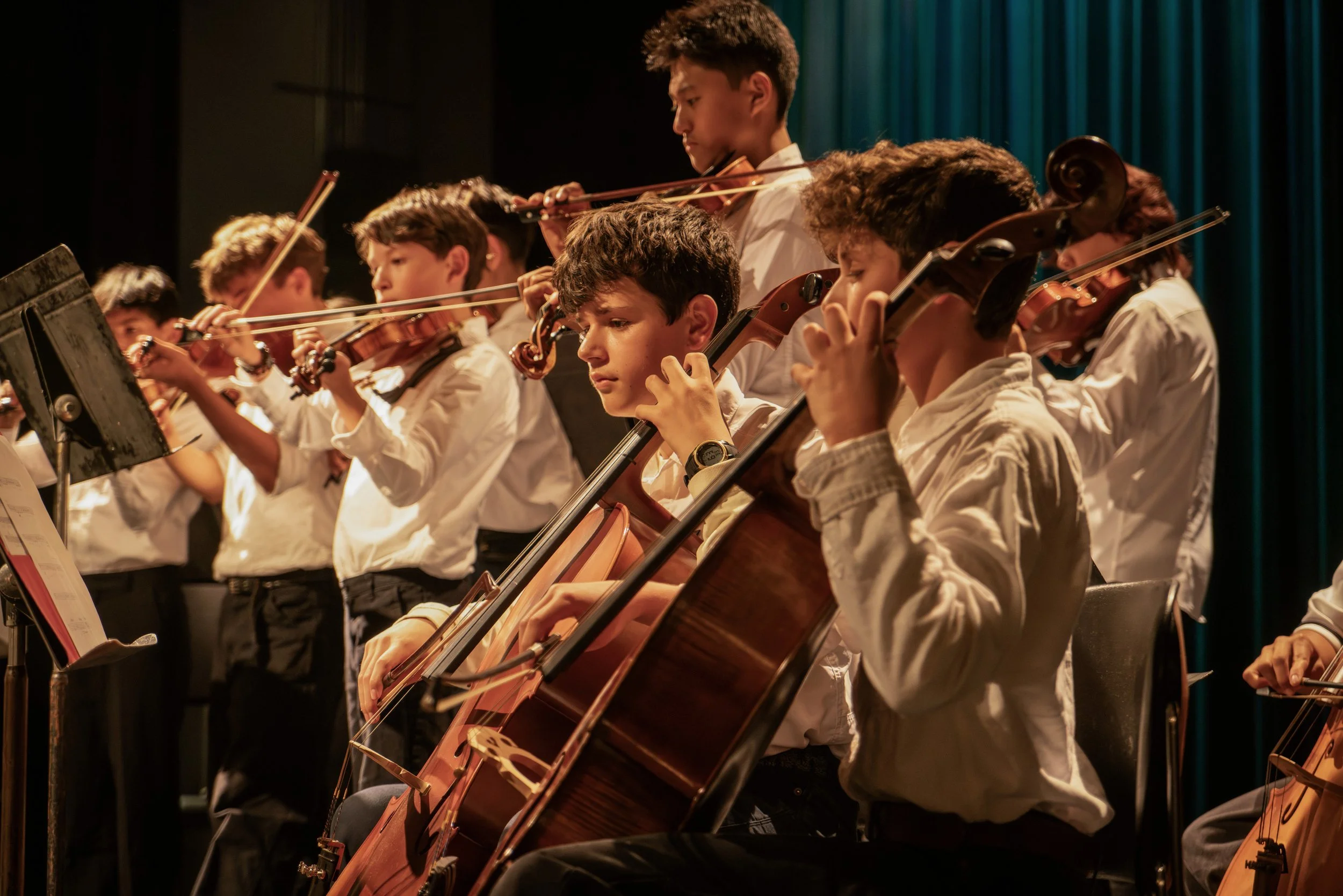
Advanced Orchestra Ensemble with Mr. Fecskes
Serious musicians who would like to dig into more complex musical pieces in a chamber ensemble setting are invited to join this afterschool music group that will perform at a recital and assemblies, in addition to the annual Winter concert.
-
![]()
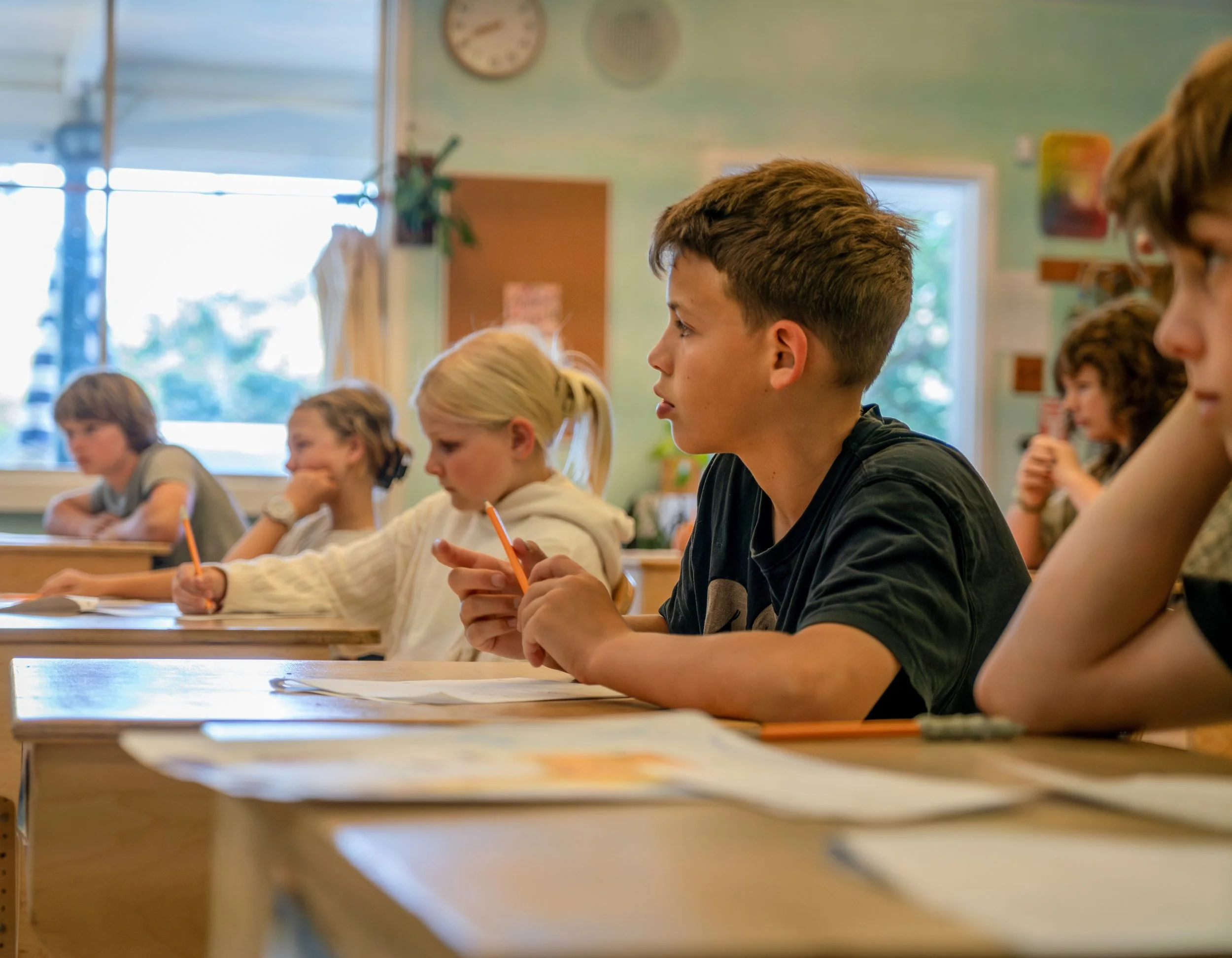
The Writers’ Toolkit with Ms. GLO
An afterschool writing club for middle school students to strengthen and build confidence in their writing skills. Students will learn and practice with graphic organizers, outlines, editing checklists, and revision techniques. It’s all about getting ideas onto paper and developing them into organized, polished writing.
-
![]()
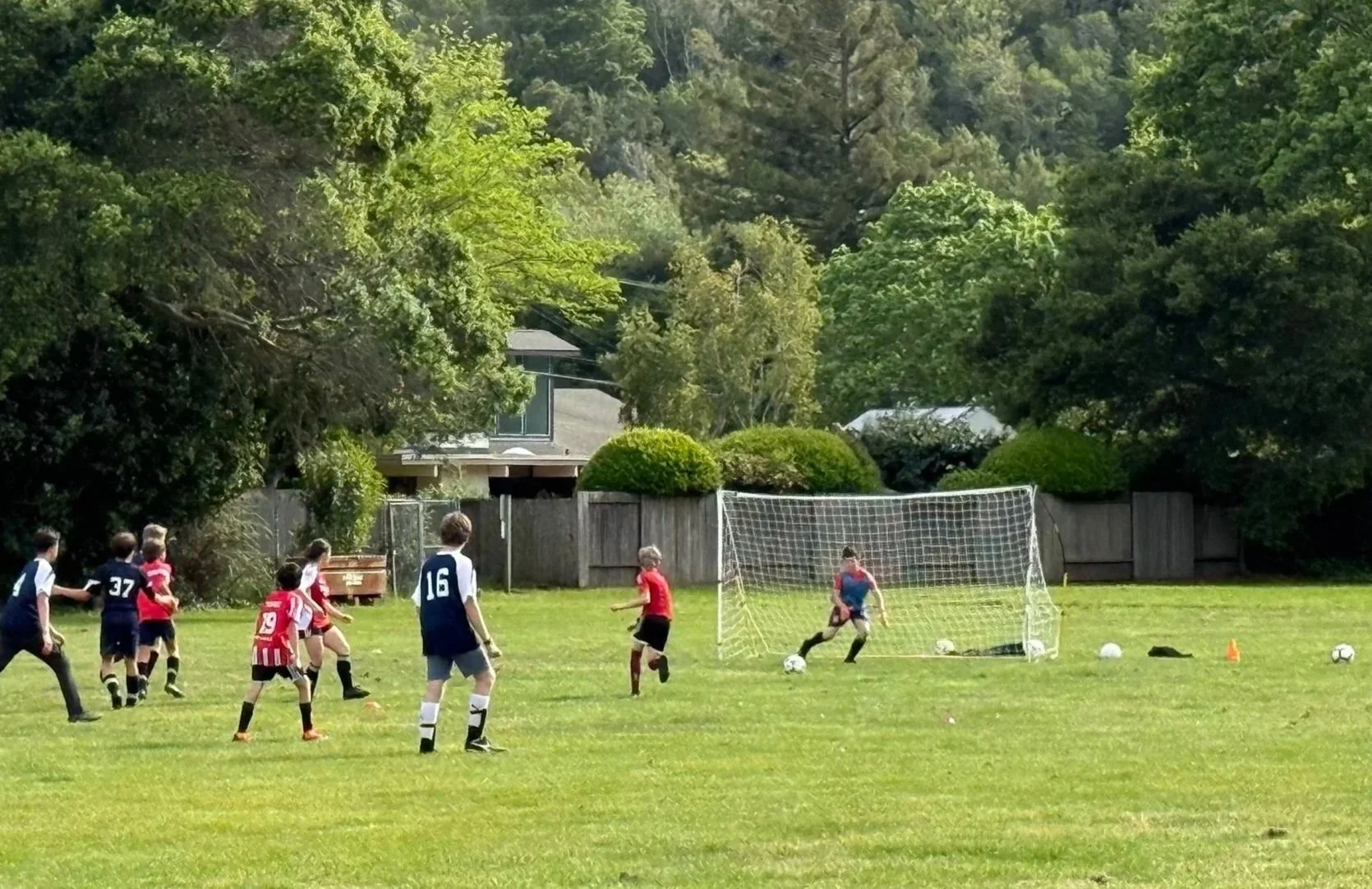
Soccer Skills with 5th Grade Coach Kelvin Wong & Mr. Malcolm Pearce
Join the on-campus soccer fun, whether you’re just starting out or looking to sharpen your game. All skill levels welcome!
-
![]()
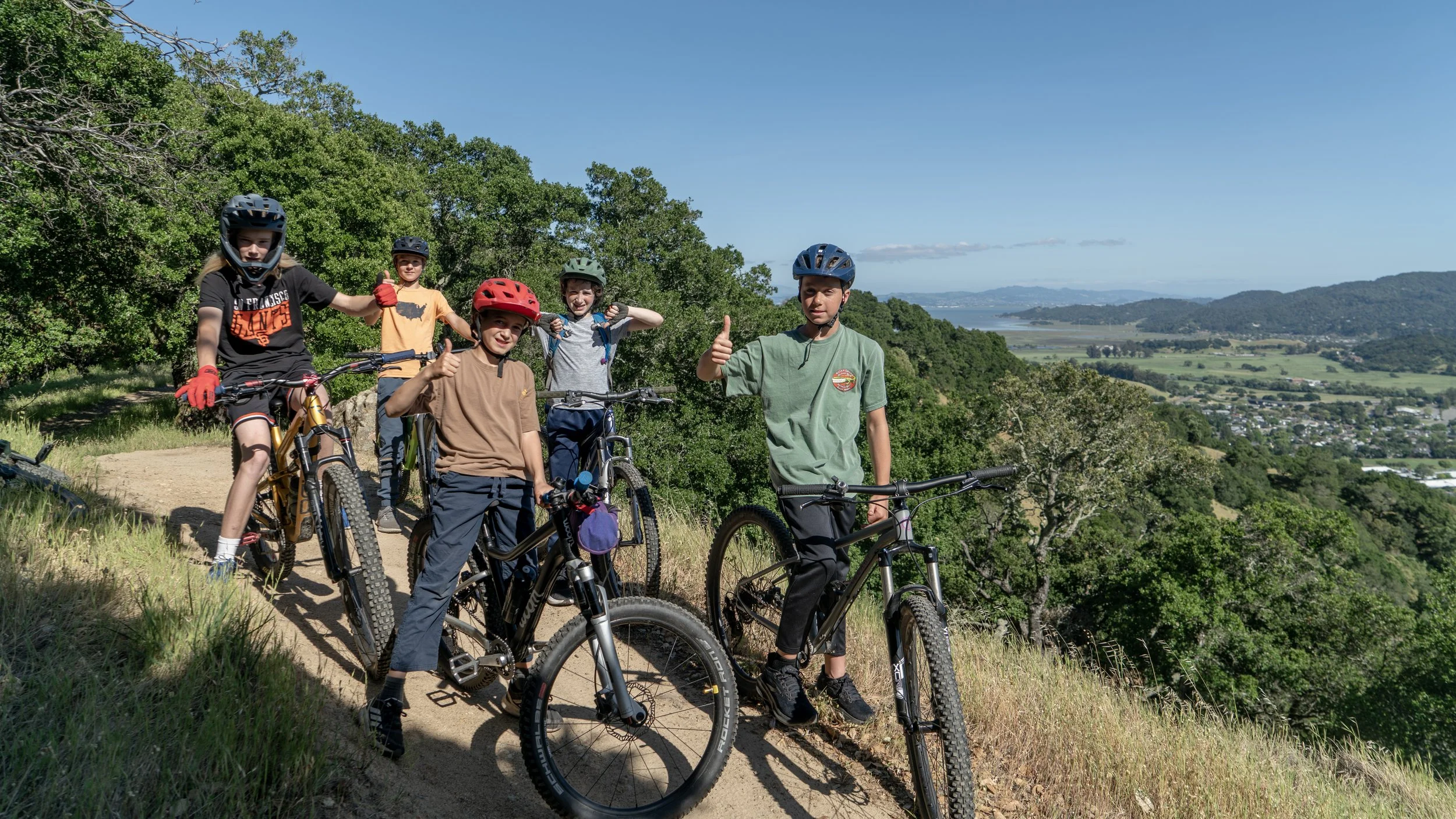
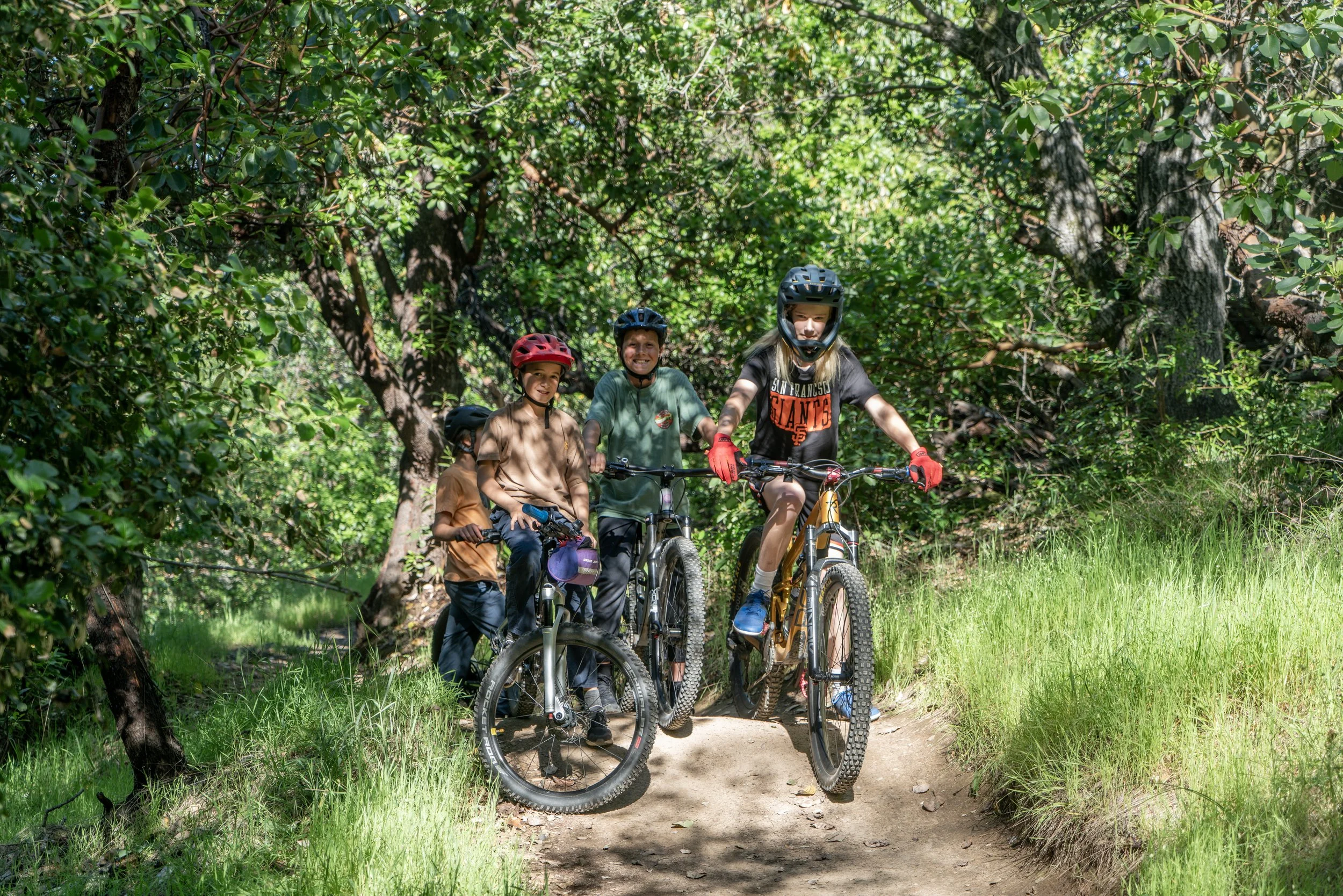
Mountain Biking with Mr. Nic Shilzony
Hit the local trails and build real biking skills with our own avid biker (and former aftercare teacher), Mr. Nic! Mr. Nic is a bike safety expert who knows all the best routes in the area. Please provide personal equipment in good working order.
Our Research-Backed Approach
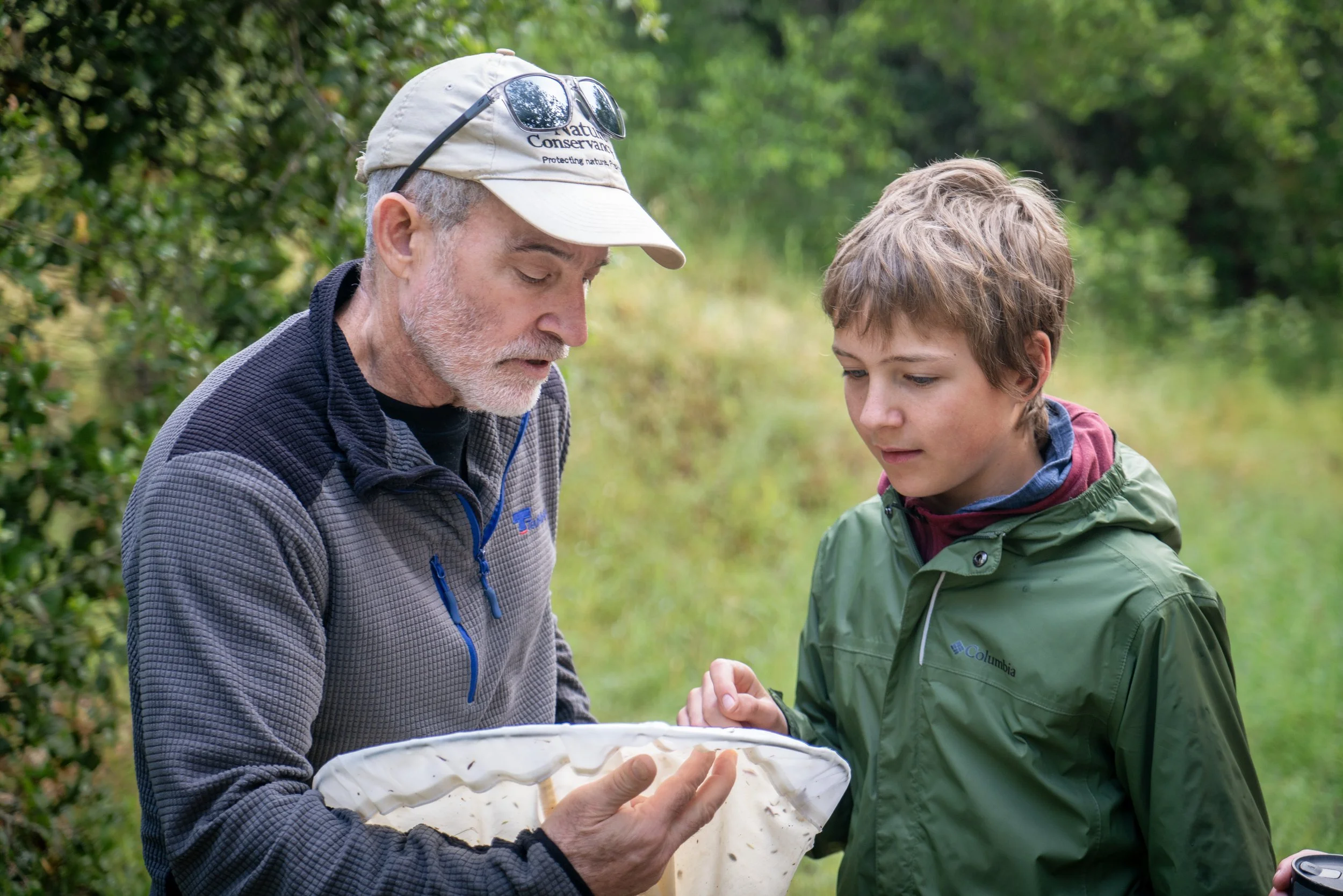
Neuroscientists at the University of Wisconsin–Madison's Center for Healthy Minds have identified four pillars of well-being — awareness, connection, insight, and purpose — and found that each one is skill that can be strengthened with practice. See how our Middle School has been teaching these skills for over 50 years.
Awareness
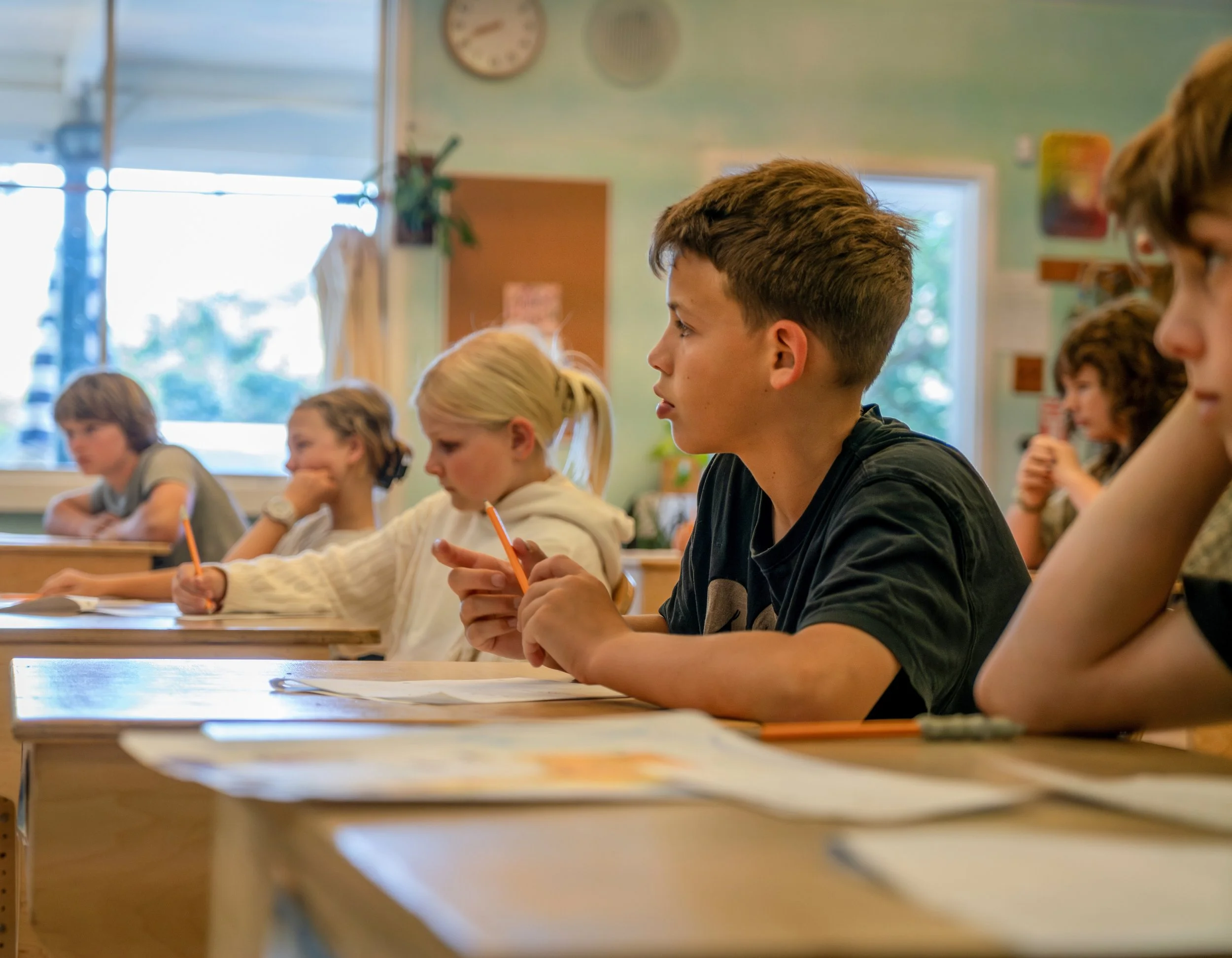
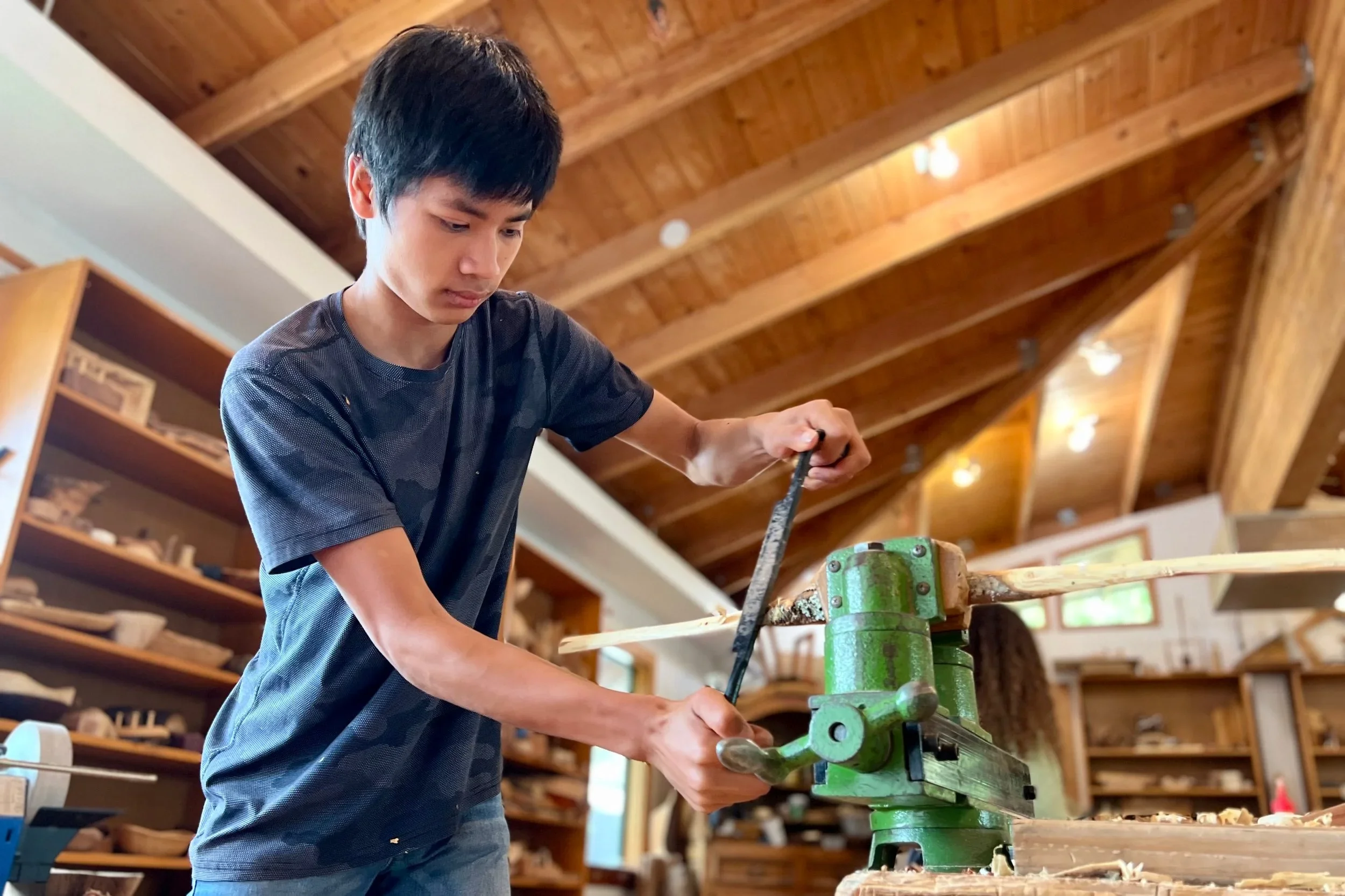
MWS students master analogue tools before digital ones — mental math, handwriting, hand tools, library research — and a two-hour daily main lesson asks for the kind of sustained attention screens erode. Outcome: Excellence
Research by developmental cognitive neuroscience Adele Diamond shows that focusing exclusively on training cognitive skills is less efficient and ultimately less successful than also addressing emotional, social, spiritual, and physical needs, and she specifically investigates the roles of storytelling, dance, music, physical activity, and mindfulness in improving executive functions and academic and mental health outcomes.
Connection
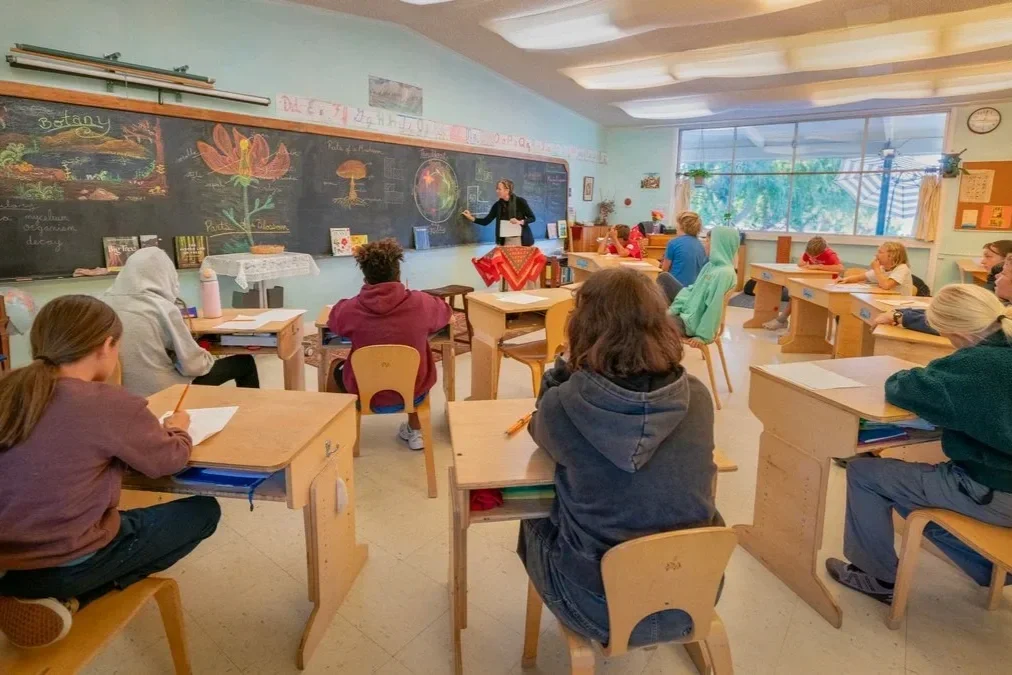
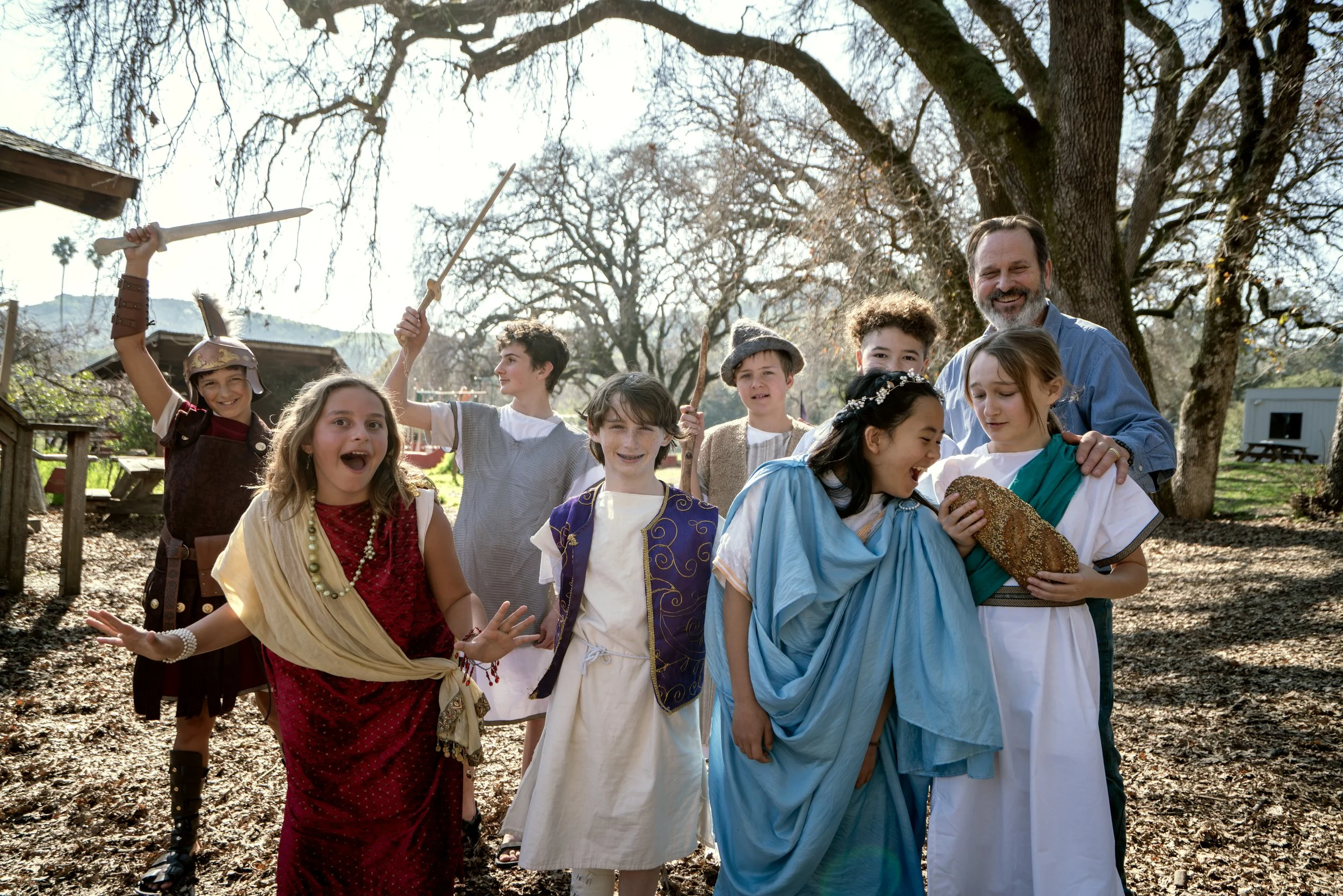
A class teacher who stays with the same group for years. An 8th Grade/1st Grade Buddy System in which our oldest students mentor our youngest, weekly. Outcome: Belonging
Research from the the Harvard Study of Adult Development states that the quality of relationships is the single strongest predictor of health and happiness in later life, outpacing wealth, fame, IQ, and even cholesterol!
Insight
In 7th grade, a creative writing block on wish, wonder, and surprise gives students language for an emotional life that is powerful and largely unexamined. Outcome: Self-Knowledge
James Pennebaker's forty years of research at UT Austin found that writing about one's inner life carries measurable benefit — not from venting, but from the work of shaping experience into words. Our seventh graders spend a full block doing exactly that, learning to name an emotional life that is powerful and, at thirteen, largely unexamined.
Purpose
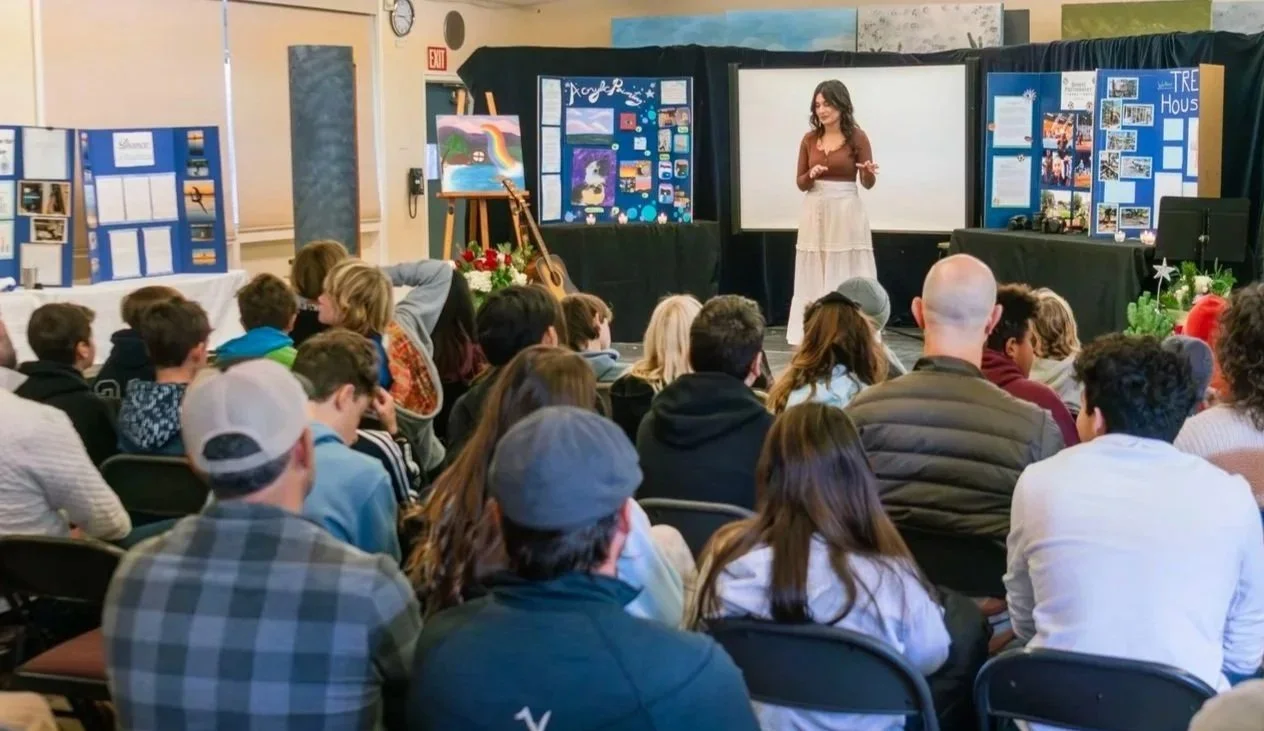
The Grade 8 independent research project: choose a subject, pursue it deeply, present it publicly. Outcome: Maturity
Research from William Damon, Professor of Education at Stanford and director of its Center on Adolescence, found that only about one in five young people are thriving with a clear sense of purpose, while roughly one in four remain rudderless. Purpose, meanwhile, tracks with academic achievement, resilience, and psychological and physical health across the lifespan.
Ready, Set, High School is Next!
Our Middle School academic team and registrar are here to counsel, support, and accompany families as they explore the many possibilities for life after Marin Waldorf School.
Beginning in 7th grade, students receive letter grades and develop practical test-taking strategies, study habits, and academic skills that prepare them for the expectations of high school. By the end of 8th grade, our students are ready—academically, socially, and personally—to take on advanced high school coursework with confidence.
Marin Waldorf School graduates go on to thrive at public, private, charter, and parochial high schools throughout Marin County and beyond, including:
The Bay School
The Branson School
Marin Academy
Marin Catholic
Cardinal Newman
San Domenico
Credo High School
San Francisco Waldorf High School
Marin School of The Arts at Novato High School
San Rafael High School
Redwood High School
Archie Williams High School
Our goal is not simply to prepare students for high school, but to help them find a school where they can continue to grow, thrive, and become their fullest selves.
“These relationships will last forever if you nurture them. You will make friends in high school, college, and beyond, but your MWS classmates will forever be sacred, their loyalty and love for you will always there. Keep it with you.”
— Jake Pearl, Class of 2005, speaking at the 2025 graduation