Elementary School
What is the goal of Elementary School?
The goal of our elementary program is academic mastery that never separates from feeling and doing. We cultivate students who don't just know things, but care about them and can make them.
How do we get there?
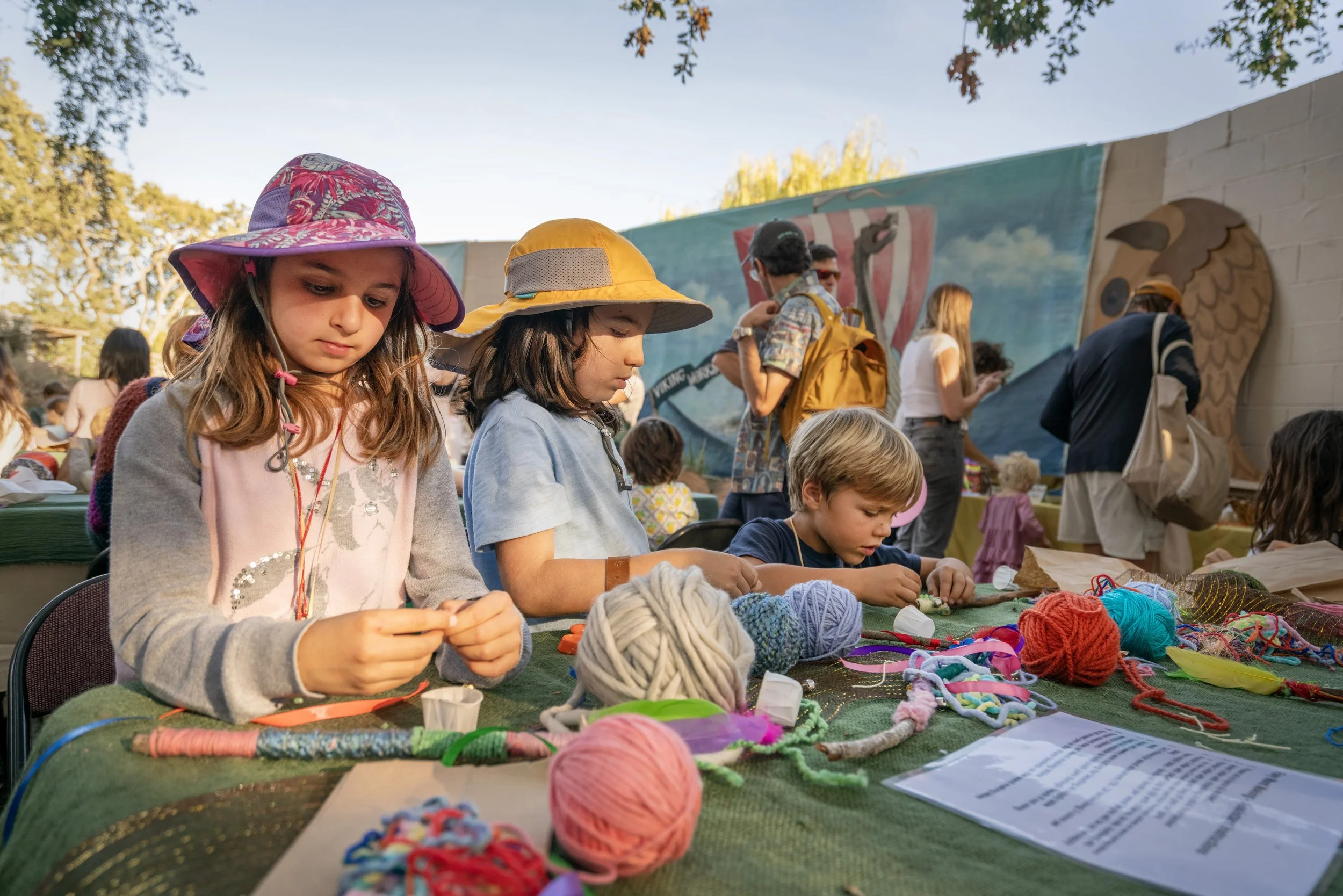
At this age, head, heart, and hands work as one. The head: rigorous academics, with every class teacher trained in Structured Literacy and a math specialist assessing and supporting each student. The heart: letters born from fairy tales, times tables embodied by being clapped and stamped, history told through the stories of real human striving — learning that students feel, not just memorize. The hands: knitting, woodwork, instrumental music from Grade 1, painting, and gardening on our 10-acre campus.
1st Grade
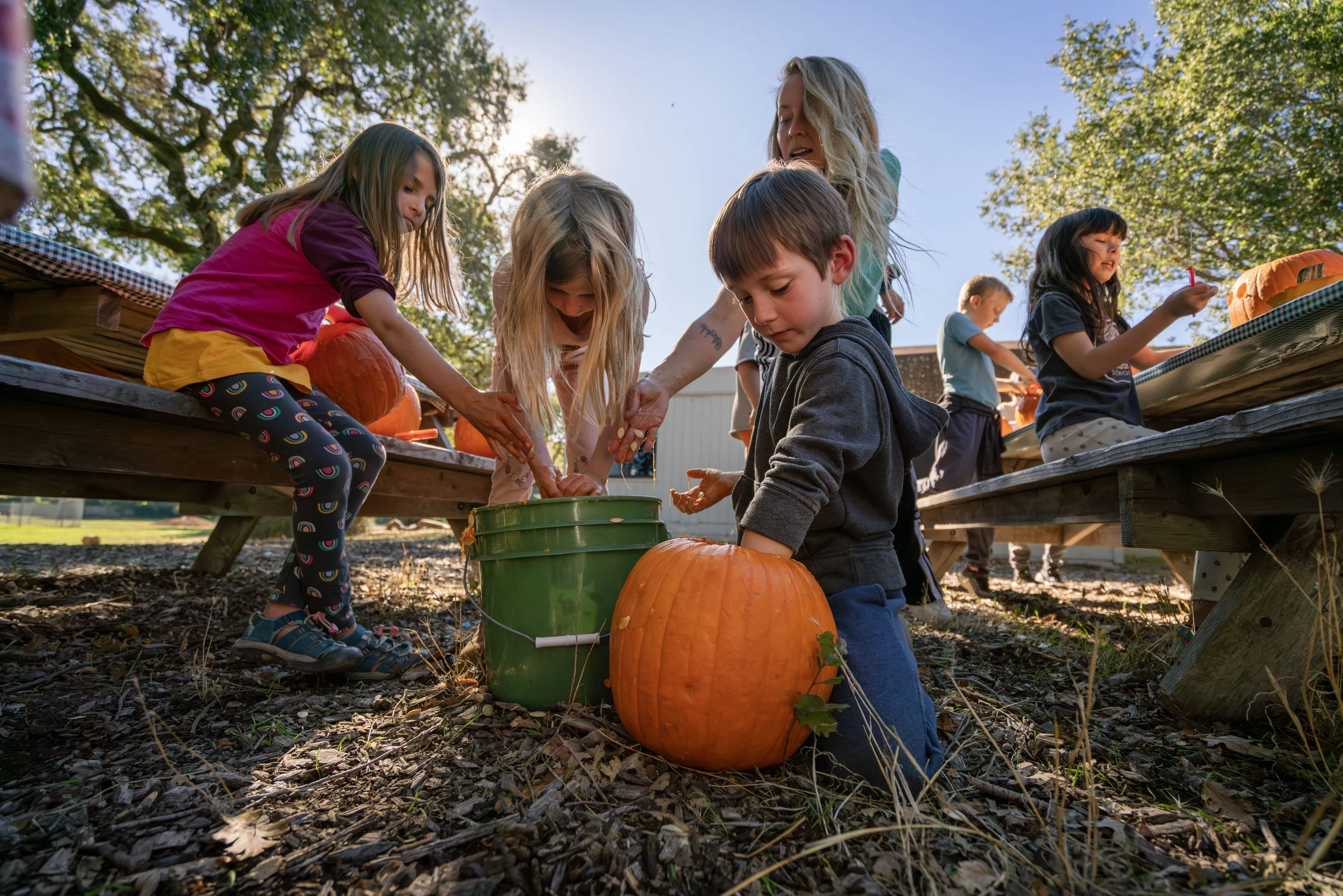
In 1st grade, students build foundational skills in numeracy, math, writing, and literacy while also learning to be good citizens of their classroom and school community.
2nd Grade
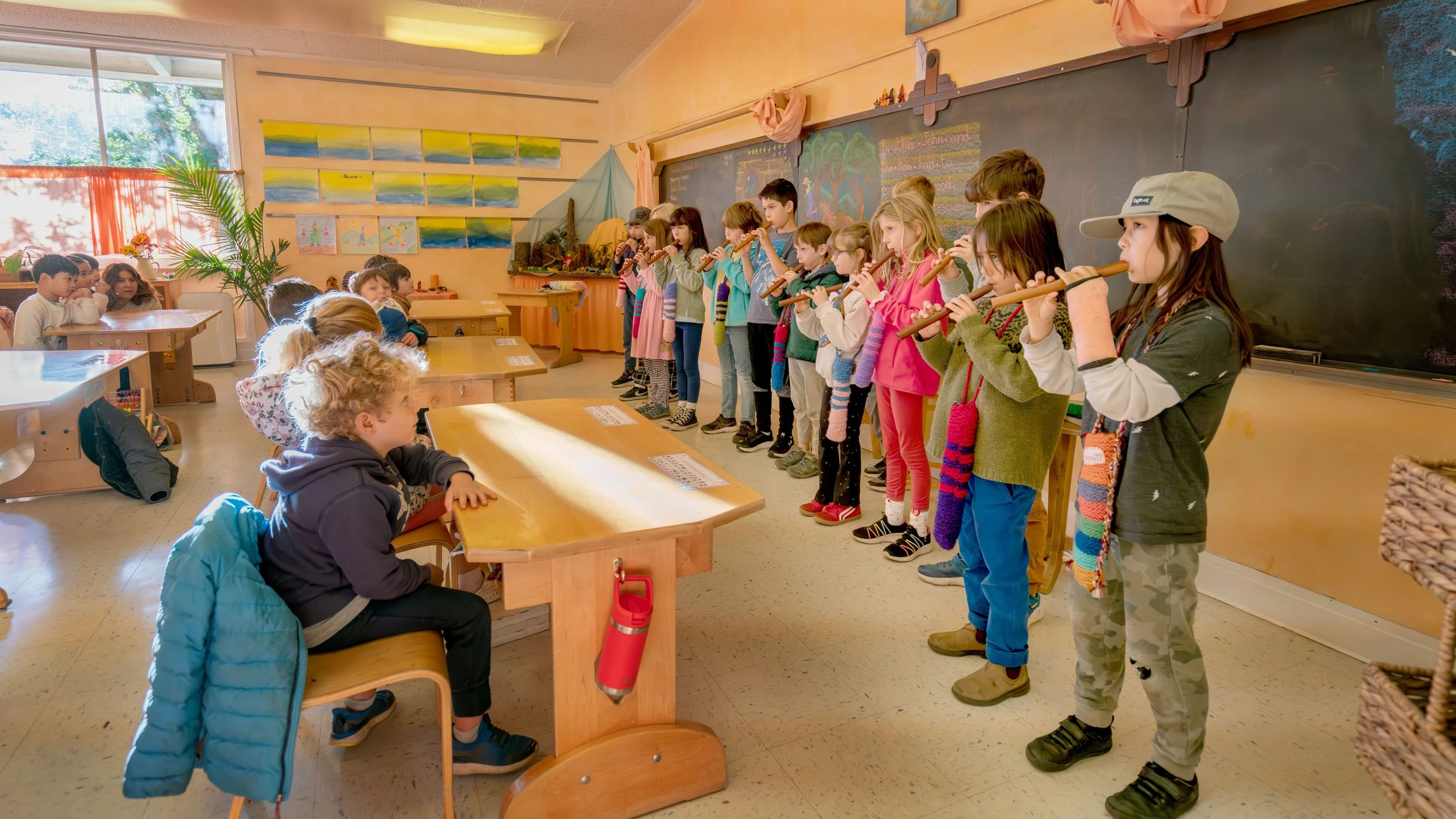
Confident at school and comfortable with their classmates, 2nd graders are eager learners, ready to build on the skills and capacities they developed in 1st grade.
3rd Grade
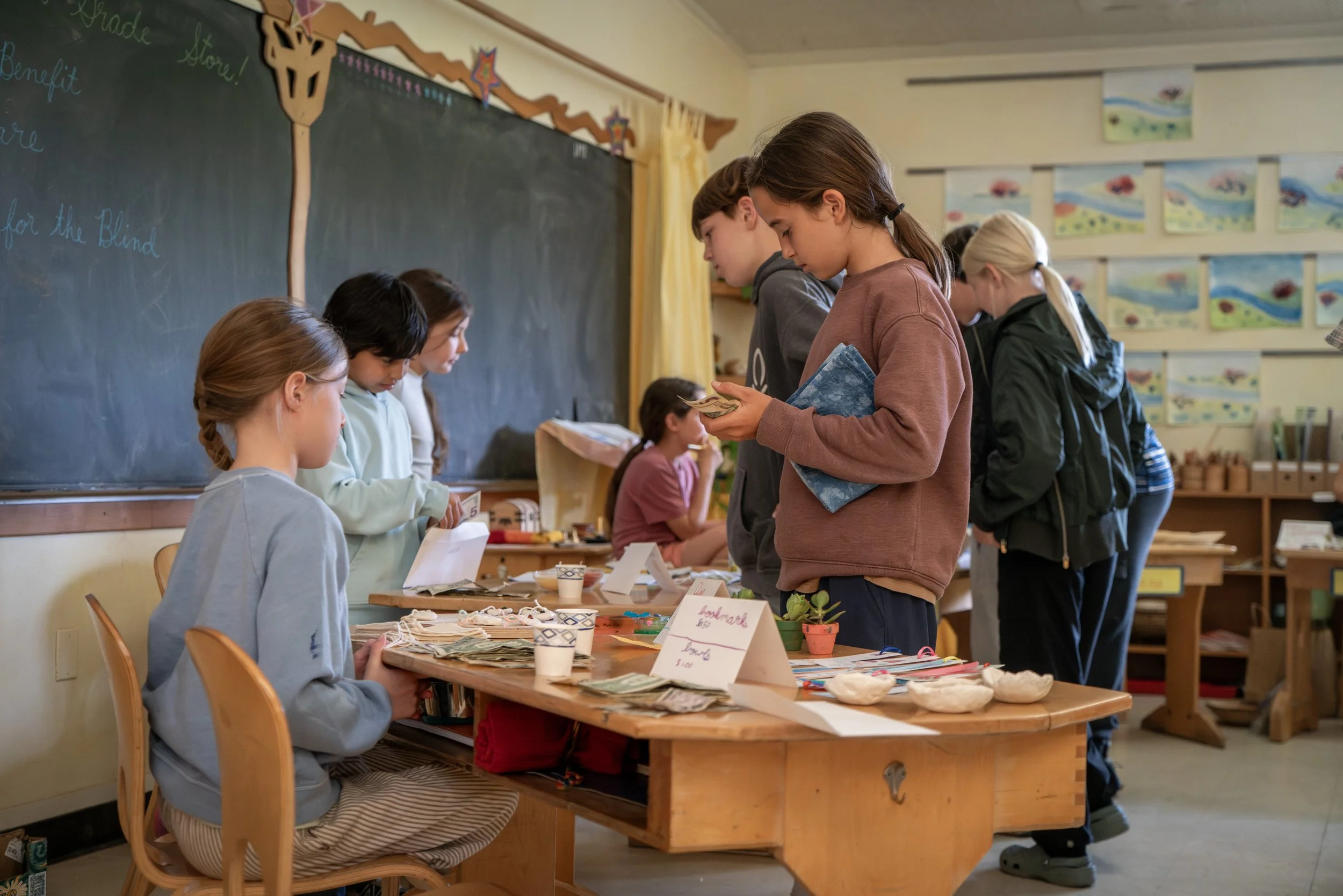
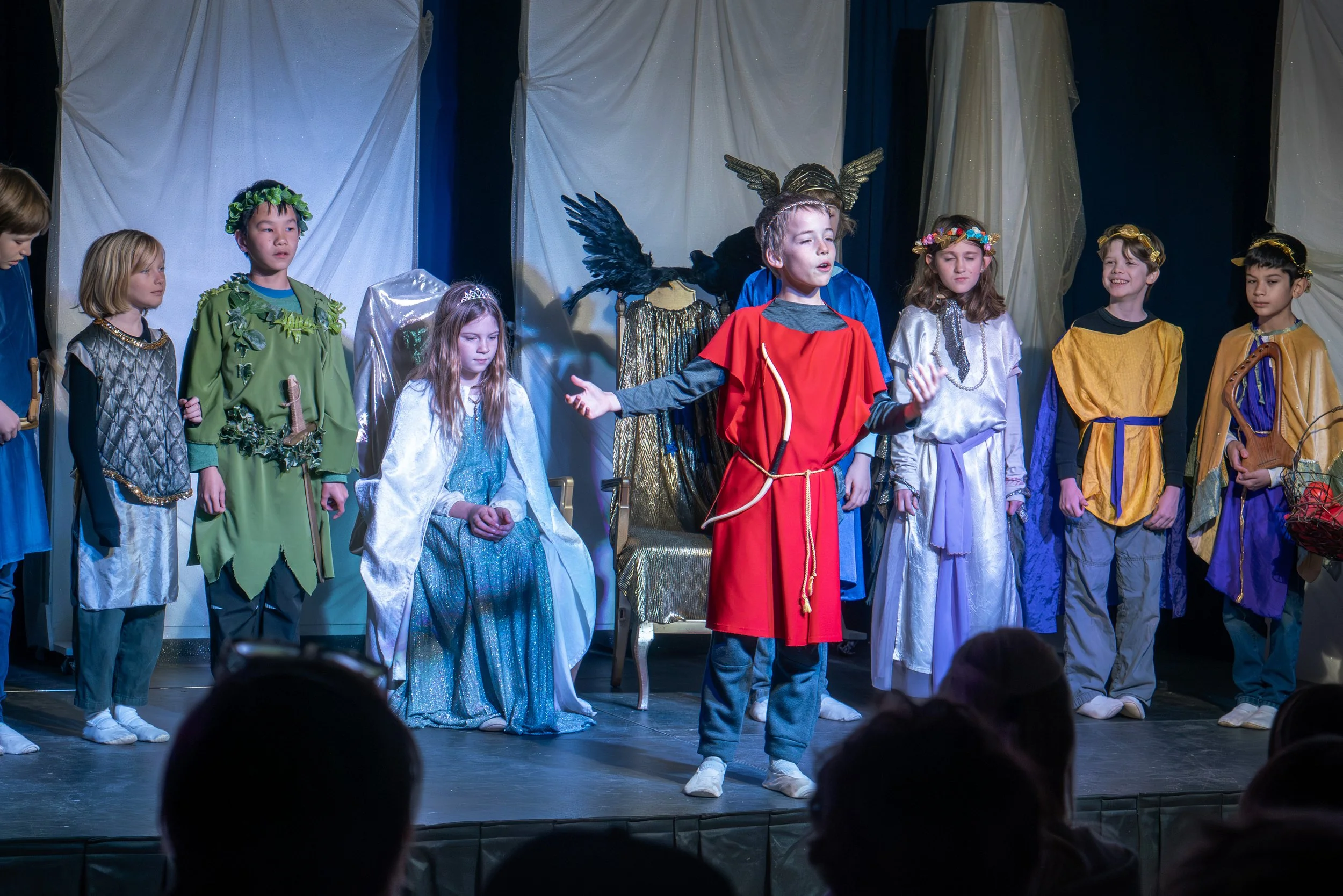
The study of practical arts like farming, gardening, shelter-building, and cooking are the heart of the 3rd grade curriculum.
4th Grade
By 4th grade, our students are capable and enthusiastic learners, ready to dive into more complex math, science, language arts, and history.
5th Grade
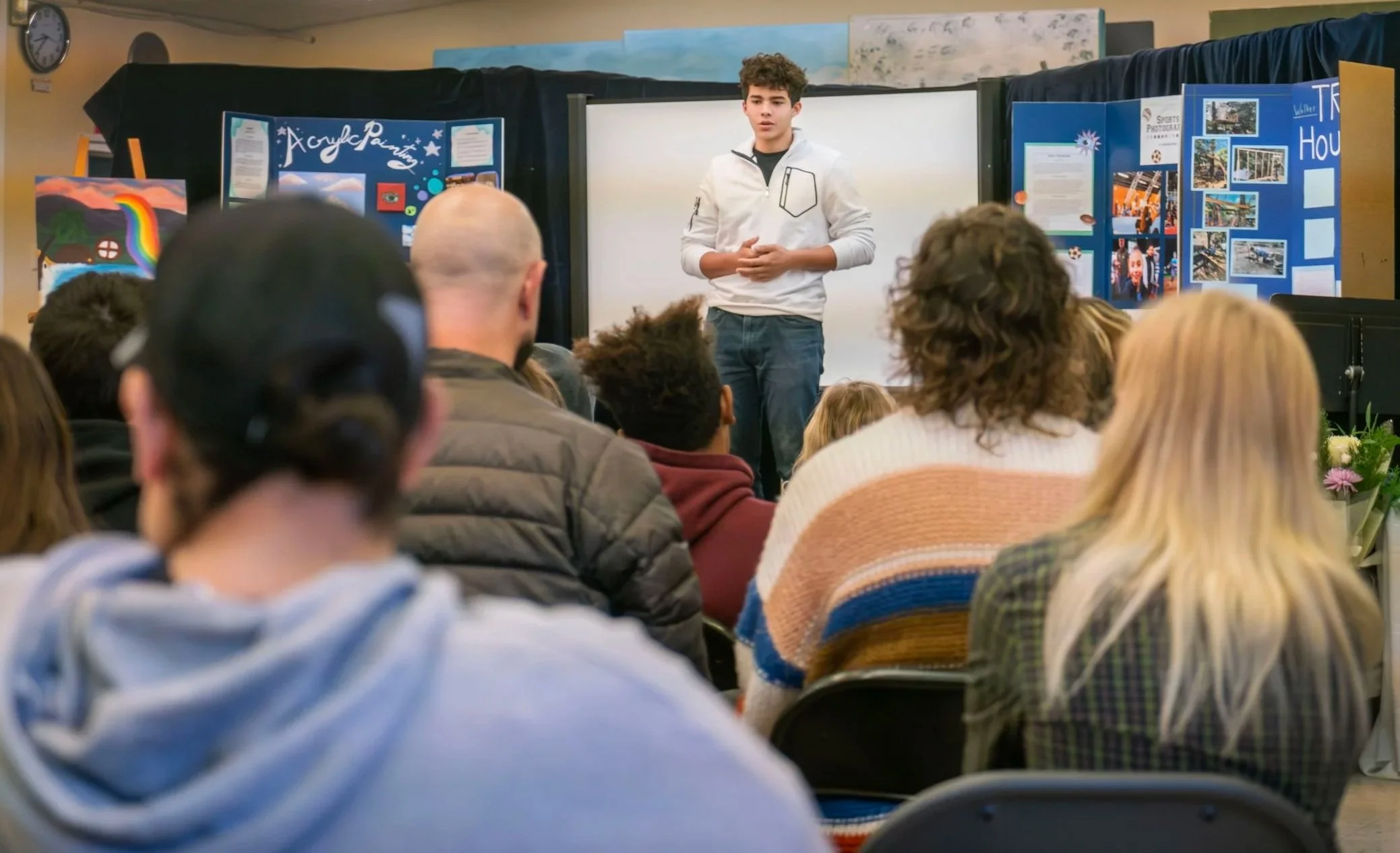
In 5th grade, students establish harmony and focus to their learning as they trace the rise of ancient civilizations, study plants from root to flower, and train for the grace and skill of the Greek Pentathlon.
Assessments
Every year, our students undergo a multi-subject skills assessment to confirm that their learning is progressing as expected. Students in other grades are screened annually if they have previously received assistance or exhibit signs of needing extra support. All grades students also receive periodic skills checks in literacy and math.
With over a decade of experience supporting children with diverse learning profiles, our Educational Support Director, Greer Lanzet-Ourian—known to our students and families as Ms. GLO—brings a fresh perspective and learning expertise to Marin Waldorf School. She is a Certified Dyslexia Practitioner, specializing in structured literacy and multisensory math. Her background includes participation in several neuroscience studies at the UCSF Dyslexia Center, coaching educators at Charles Armstrong School, and teaching in inclusive classrooms in Brooklyn, New York. Ms. GLO combines her research-based instructional strategies with the Waldorf approach that engages the head, heart, and hands.
Differentiated Instruction
For both accelerated learners and students who need extra support, there are systems in place to tailor the learning experience to best meet their needs.
In some cases, there are students receiving the same content as their peers but with a different approach of instruction. This could look like:
Ms. GLO joining the class and working with students one-on-one throughout the period.
Accommodations to scaffold writing. such as graphic organizers or spell checkers.
Accommodations in math like equations or math facts to support multi-step problem solving.
Academic intervention looks different in every grade because it is based on:
The developmental needs of each age group.
The individual academic and social-emotional needs of the children.
The dynamic of the cohort.