Screen-Free Week Special: What Does It Really Mean To Be Tech Savvy?
At Marin Waldorf School, we take a slow and thoughtful approach to tech education. Through a progressive and age-appropriate curriculum, we aim to educate our students to become grounded, responsible, and savvy tech users. But what does it really mean to be tech savvy?
Here, we don’t define a tech savvy as someone who is fluent in the latest apps, devices, and software, but an educated digital citizen who understands how to use electronic media and technology as a resource and a tool.

Slow Tech—Not No Tech—Curriculum
Waldorf education is over 100 years old, but our outlook on tech is based on the most recent research about the effects of screen time on developing brains, the impact of social media on emotional well-being, and the exposure to violence, advertising, and adult content in media. Our campus is intentionally screen free and we don’t use educational technology in the classroom, unless it is required for assisted learning.
Our rich interdisciplinary curriculum emphasizes hands-on experiences, human relationships, creativity, social responsibility, and connection with nature, before introducing the often overpowering influence of media and technology. Our curriculum and pedagogy are based on the understanding that, as best-selling author Jonathan Haidt writes in his book The Anxious Generation, “Experience, not information, is the key to emotional development.”
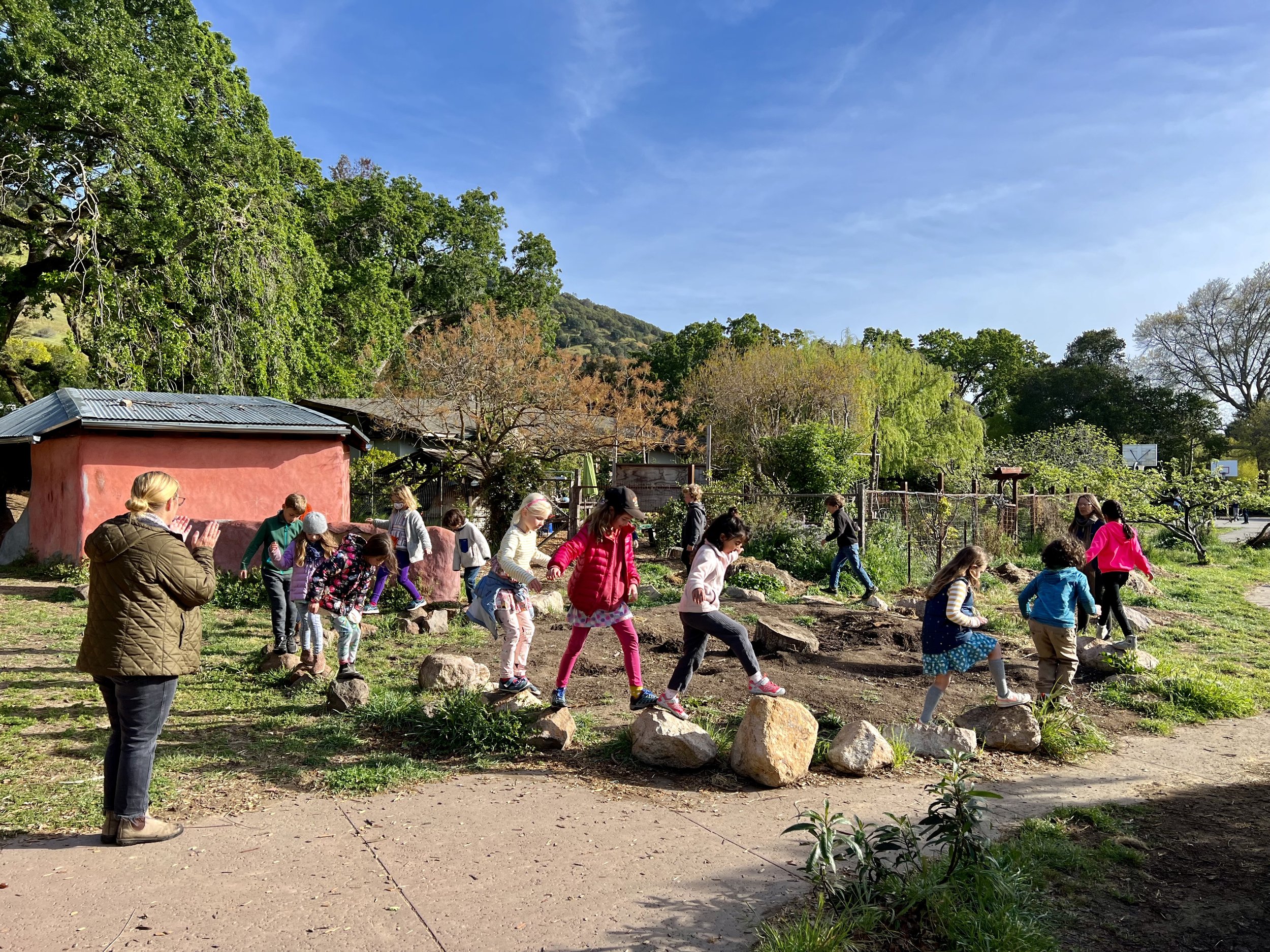
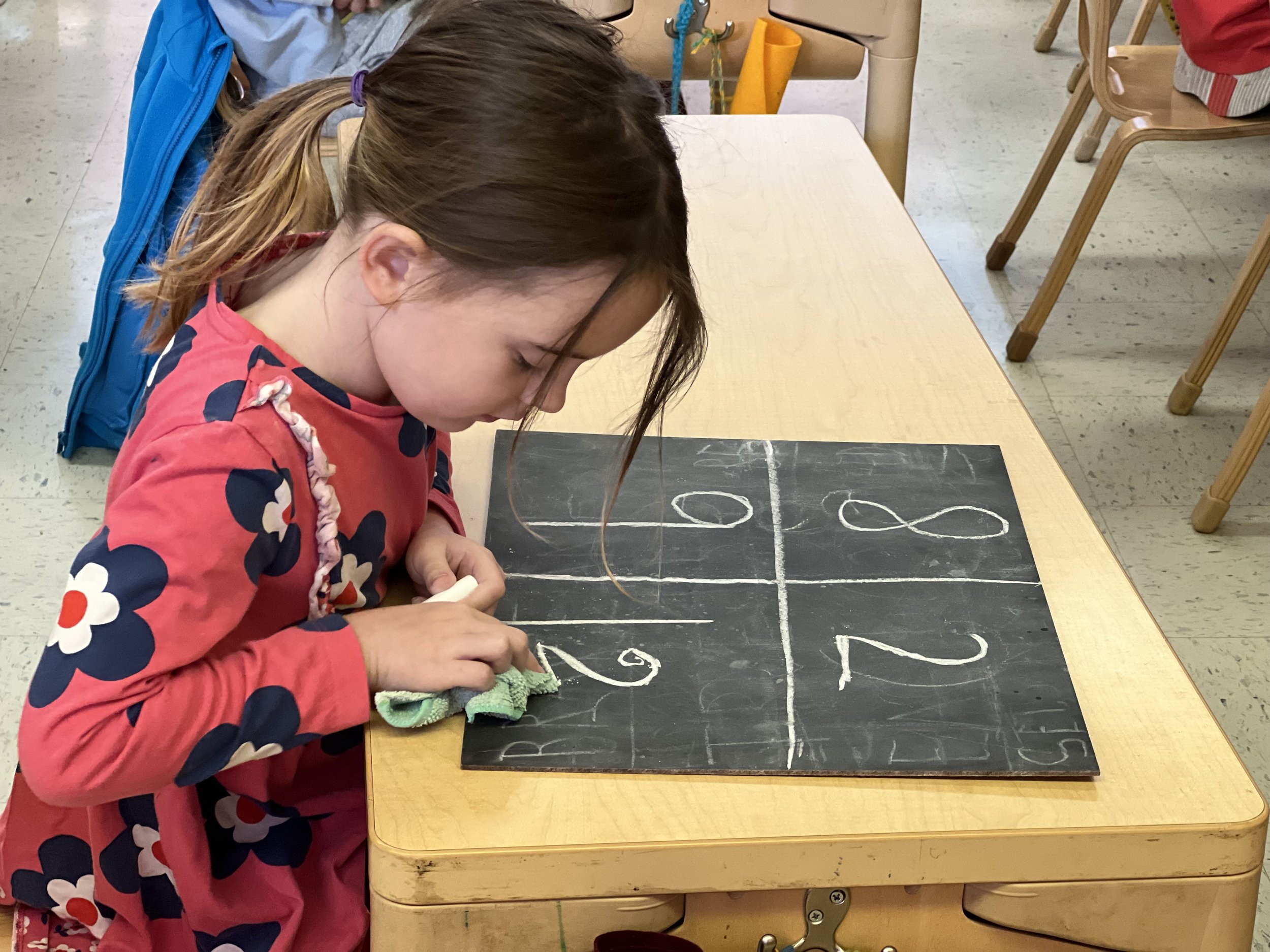
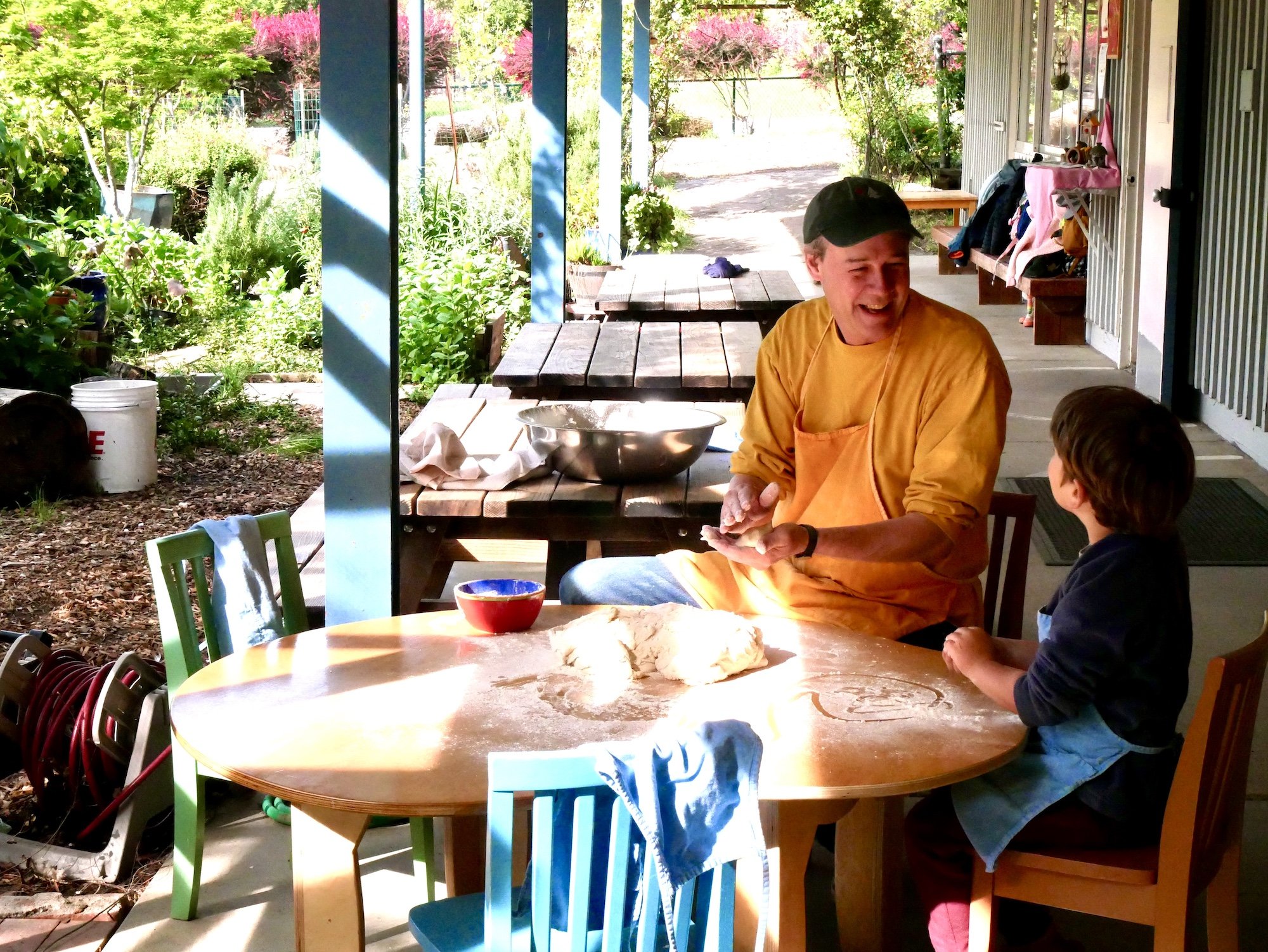
At Marin Waldorf School, we take a slow approach to tech, especially for young children. During early childhood and grades 1 to 4, children are guided by parents and teachers in building strong social and communication skills—with little or no influence from digital media at home. At school, children are encouraged to build social skills through group work and free play; to develop their imagination and creativity through the arts, music, and stories; and to boost their bodies and brains with experiential activities, from games to knitting to woodwork.
Importantly, we don’t simply discourage technology and screen-time; we actively encourage the tactile, hands-on, real-world, and social experiences that children need to build a healthy foundation for their future.
A Tech-Savvy Middle School
In grades 5 to 8, media and technology are gradually introduced at school, teaching students how to positively use these tools in their lives and relationships. Our approach to tech education includes letter writing, phone calls, emails, and other forms of communication, which teach children how technology fits into a larger social context. We prioritize social-emotional learning through group work in the classroom, as well as cooperative projects, like class plays and orchestra performances. And we offer direct instruction in digital citizenship through social ethics and Cyber Civics courses in middle school. Read more about our step-by-step approach to tech education here.

A Like-Minded Community
In today’s tech-centric environment, it is difficult to limit or eliminate screen-based media from your child’s life—particularly when media, movies, and video games have become such a widely accepted aspect of childhood.
Many families choose Marin Waldorf School because they are looking for a low-tech environment. Here, we encourage parents to work in partnership with our faculty to limit the influence of media and technology at home, creating a community of children who are nourished by real-world relationships and hands-on learning.
Why Limit Screens?
Research shows that screen time and media, especially for young children, can curtail attention, reduce empathy and slow language acquisition, interfere with sleep, and negatively affect academic performance over the long term. Even without research, we know it on a gut level: Children are unnaturally captivated by screens, tuning out human interaction and experience—or even basic needs, like hunger—when pulled into a television show or video game.
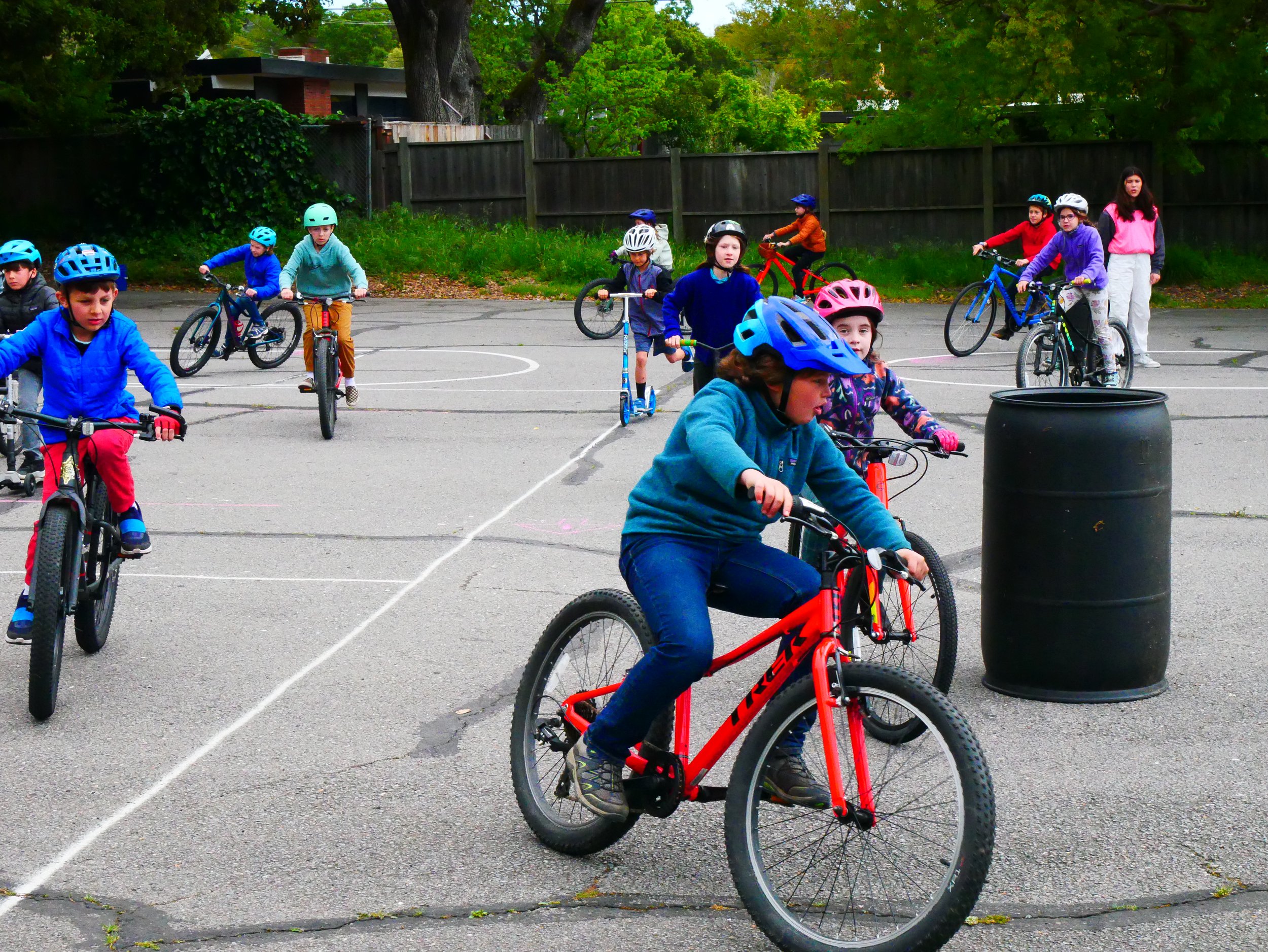
We encourage parents to limit screen time so that their children can observe and experience the world with their senses, naturally building neurological pathways, social skills, and the ability to learn new things, as their brains are built to do.
Resources for Families
Let's help our kids grow up to be tech savvy! For families looking to make strong media choices at home, we have some resources and recommendations to share.
Last week we shared resources from Waldorf teacher and tech educator Ben Klocek. Designed especially for Waldorf families, these resources include age-appropriate activities.
It's Screen-Free Week! Check out the resources on the Screen-Free Week website.
Diana Graber, founder of the Cyber Civics curriculum and author of Raising Humans in a Digital World, is a frequent speaker at Marin Waldorf School. Click for Diana’s most recent presentation to the MWS community or download resources from her presentation here.
Tell Us About Your Family!
What are your family media goals? Share your screen-free stories with us!